Off the Shelf – Moving Day

bookshelvesListen here.

So, I recently moved. I moved a lot as a kid and a young adult; I probably didn’t appreciate how much work it was for my mom to pack up a whole household, kids and pets and move as much as we did.  I’ve been in the same place for eight years and the amount of crap my kids and I had accumulated was daunting, but I figured that now was the time to divest myself from some of the junk we no longer used or wanted. But I am a terrible hoarder, so how was I ever going to part with some of this stuff.

Enter The Life-Changing Magic of Tidying Up by Marie Kondo

So Marie Kondo is a Japanese cleaning consultant who claims that if you adopt her “KonMari” method of decluttering, you’ll never be untidy again. Her secret is to discard and then organize and she offers all sorts of tips on everything from how to fold your clothes (apparently we all do it wrong) to organizing your closet to getting rid of ephemera (and don’t we all have way to much paper even in a so-called paperless society)…and then here’s the one I needed help with – books. I guess, to a degree, Marie and I parted company on books.

bookshelvesSo, I moved into my new place and pretty much the first thing that had to happen was I needed bookshelves built, which my amazing brother Tom did for me. Now, if I was going to follow Marie’s advice, I’d put all my books on the floor (as it turns out – that’s where they all were – in piles all over the floor) – she’s big on having people put stuff on the floor, spread out so you can see it, but also so you have to pick up the book to put it back on the shelf. Here’s her criteria for making the decision about whether or not the book goes back on the shelf: decide “…whether or not it gives you a thrill of pleasure when you touch it.”

Kondo herself only keeps about 30 books at a time – which is horrifying to me, that’s about the amount I have stacked on my bedside table – but I think her advice is generally sound. She would definitely take issue with my tbr shelf because her take on that is when it comes to the claim that you will get around to reading a book “sometime” is that “sometime” never comes. Kondo and I have differing opinions on that, I guess.

This book would be a great little gift for someone who needs to do some decluttering and she really does make the claim that if you follow her advice, you’ll never be buried under your junk again.

So, once I got all my books on my shelves…they all sparked joy, every one of them, btw…I picked a book from my tbr shelf (I think just to show Ms. Kondo that I actually DID read those books – eventually) and that books was

Reconstructing Amelia by Kimberly McCreight

This is a book about a high-powered lawyer who lives with her daughter Amelia in Brooklyn. She’s a single mom and a bit of a workaholic, but she and her daughter, who is 15, have a great relationship. Her daughter attends a prestigious private school where she’s a top student and athlete.  The book opens with Kate getting a call from the school that Amelia is being suspended for plagiarizing an essay and Kate has to go pick her up from the school. By the time she arrives, Amelia is dead – which, not a spoiler, it’s on the back of the book. McCreight unspools the story, not only from Kate’s point of view, but also through Amelia’s first person narrative and it’s a real page-turner as Kate tries to figure out what happened to her daughter and Amelia tries to navigate the tricky underbelly of teenage cliques.

This book was scary, actually, because it really highlighted how little we know  – as parents – about the lives of our kids, even when we have a good relationship with them…and a lot of that has to do with social media, cell phones…so this is a timely story, a family drama and sort of a thriller all rolled into one.

Then I picked a book off my tbr shelf at school…yes, I have one…it’s a thing

Complicit by Stephanie Kuehn

So I read Kuehn’s book Charm & Strange earlier this year and loved that book and Complicit is pretty dang good, too. Kuehn actually has a doctorate in clinical psychology, which is why I think she manages to create such compelling damaged characters. In this instance, a story about siblings Cate and Jamie, who were placed in foster care s children after the shooting death of their mom. Years later, Cate ends up being sent to juvie after she burns down a neighbour’s barn…and then a couple years after that, she comes back to town and throws her brother’s life into turmoil. It’s a total page turner, with complex characters, excellent writing.

Although I am not completely settled into my new place, my books are in their rightful place and looking at them gives me great joy.

Off the Shelf – My Book Graveyard

Listen here.

Books are like a relationship, sometimes you have to break up with them

I’ve been a little bit of a reading slump of late. I blame Donna Tartt’s The Goldfinch, which at almost 800 pages gave me a total book hangover. After finishing that, I definitely needed some lighter fare to cleanse my palate. So, I headed to my ridiculous TBR shelf and chose The Swimming Pool by Holly LeCraw. I thought that might have been just the ticket to jumpstart my reading again, but it’s been super-slow going. It’s the story of two families whose lives intersect because of not one but two affairs and I have almost given up on it a couple of times. The writing is good though, so I keep trudging along.

I used to be the reader who finished everything she started. I couldn’t stand the thought of abandoning a book that I’d started, but the older I get and with more demands on my time (aka Netflix bingeing) I find that I am not as willing to go the distance with a book that doesn’t float my boat.

So, what causes me to close the book forever?

  1. Style over substance. Okay,  I am attracted to the pretty. But I am also more – how should I say this – seasoned. I am less enthralled by a beautifully written book with nothing to say. It doesn’t take long for  the pretty to wear off.  I’ll compare it to being at the bar. Across the room you see this gorgeous guy. You make eye contact. Then you realize he isn’t actually looking at you; he’s looking at his reflection in the mirror behind you. A book that works so hard to be literary, to impress, but is really just naval gazing loses my interest pretty fast.
  2. Unbelievable characters. I don’t have to like the characters, but I do have to believe in them. Even if the author has chosen to put them in crazy situations, I want to share their journey.  I can’t travel with characters who fail to earn my respect or admiration or sympathy. So, I’m back at the bar. Handsome guy across the room. Eye contact made. You move towards each other. He buys you a drink. Then he starts talking and after about five minutes you realize he’s as dumb/self-involved/humourless/dull… as a pet fence.  You stop listening to him because you stop caring about him. Characters like that.
  3. S-L-O-W/tooquick  plot. Not every novel is driven by plot. Some stories don’t depend on what happens as much as to whom it happens. I don’t have a preference. Pacing is everything. Back at the bar, you’ve consumed your drink(s); there’s potential. And then he sticks his tongue down your throat. Whoa, buddy, didn’t see that coming! Timing is everything. If you are building suspense, build it. If your characters are going to do the horizontal mambo, let them take their time; but if nothing happens for page after page after freakin’ page while the author describes cutlery and grass clippings, sorry, it’s over. Or, if without any character development or too much exposition the book lands me in an unreasonable place, we’re through.
  4. Bad writing. Come on. Who is going to slog through a poorly written book? Not me. Not anymore. It’s amazing to me that these things get published! I mean, Twilight, okay. New Moon. Seriously!? And two more after that? Yikes. Books like that come with buzz – like your handsome friend at the bar. Until he opens his mouth and, dude, you need some breath mints or something.

So, I have a little Book Graveyard at The Ludic Reader and that’s where I send the books that just don’t make the cut. Some of those books include:
Erin Vincent’s memoir Grief Girl, which was well-reviewed but I just couldn’t finish it. It’s the story of an Australian teen whose parents are involved in a horrific traffic accident…but it was just so plodding and

City of Bones by Cassandra Clare  is a super popular teen franchise which has been adapted for television. Loads of my students have read and loved these books but I just found them derivative and poorly written. I gave up pretty early.

The Dark Heroine: Dinner with a Vampire by Abigail Gibbs

I actually read 300 pages of this book before I relegated it to the book graveyard. I would consider myself a huge fan of vampire fiction, but this book – which was written by a seventeen year old and started its life in serial form on Wattpad. Seems to be the way lots of writers are discovered by traditional publishers, but man – this book needed some serious editing help.

I would love to hear from you: what book have you given up on and why?

Off the shelf – Books with buzz

Listen here.

There are always books which are hotly anticipated by the reading public. Avid readers know, for example, when their favourite authors will be releasing their next book. Publishers generate a lot of pre-publishing buzz and of course books that win major literary awards also garner extra attention. I think book buying has changed a lot in the forty years I’ve been buying books with my own money. I remember when the Scholastic book flyer was my only real opportunity to purchase books – and then all you had was this teensy picture of the cover and the equivalent of a tweet’s worth of description. When you could actually go into a book store and hold the books, well, that was heaven. I have books on my shelf that literally cost 60 cents. Can you believe that? Social media wasn’t even a twinkle in someone’s eye – so word of mouth or checking out top ten lists was really the only ways to hear which books were hot and which books were not.

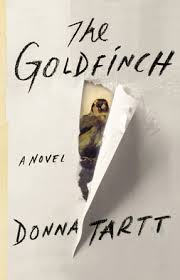
goldfinchThen you have to wonder if all books with buzz are created equal. Even books that have won big prizes are often mired in controversy. A huge portion of my summer reading time was taken up with reading Donna Tartt’s Pulitzer Prize winning magnum opus The Goldfinch. That book is close to 800 pages long and, for me at least, was thrilling and infuriating in equal measure. Not everyone agreed that it should have won the Pulitzer. In fact, The Washington Post called it “the disappointing novel that just won a Pulitzer”  Lady Vowell Smith, a professor of literature and book blogger, wondered about the book’s merits in her post “Did the Goldfinch Deserve the Pulitzer?” The UK’s Sunday Times said “”no amount of straining for high-flown uplift can disguise the fact that The Goldfinch is a turkey”. Newsweek’s review said that “The Goldfinch neither sings nor flies.”  Ouch.

I am not much of a follower when it comes to reading, but I have read both of Tartt’s previous novels: The Secret History, which is my favourite and The Little Friend. Plus, my son, Con, read this book and really liked it – so I had to give it a go.

Okay – so what’s this book about?

Theo Decker is thirteen and lives with his mother in New York City. They are on their way to a meeting at Theo’s school when they duck into the Metropolitan Museum of Art to take a look at an exhibit of Dutch paintings, including that of The Goldfinch. Theo’s mom wanders off to the gift shop; Theo is entranced by a girl of about the same age, who is in the museum with her grandfather…and then there’s an explosion and Theo’s life is irrevocably altered. The old man, as he’s dying, encourages – insists – that Theo make off with the painting of the goldfinch and that’s certainly central to the book’s story – but that’s really only a part of it. Tartt wrestles with a lot of themes here: family – both biological and the family you choose, art, beauty, addiction. Theo isn’t necessarily the most likable character, even though lots of bad things happen to him he also makes a lot of poor decisions. This book is chock-a-block with characters – Boris, the friend Theo meets while living in Vegas; Hobie, a furniture restorer, the Barbours, family friends who care for Theo when his mom first dies. A lot of people, lots of stuff happens and it’s up to the reader to decide whether any of it matters. Does it add up to something worthy of praise in the form of the Pulitzer – that is if you think prizes matter at all. It probably mattered to Tartt to the tune of $100,000.

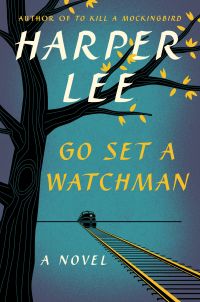
Another book that everyone is talking about is Harper Lee’s Go Set a Watchman. When this manuscript was “discovered” it Watchmanexploded the publishing world – but really: discovered? Everyone knows Harper Lee for To Kill a Mockingbird. Other than Mockingbird she is best known for helping Truman Capote (her childhood friend) with research for his book In Cold Blood. She published a handful of essays – but that’s it. She’s notoriously private and always maintained she’d never publish another book. So, it’s  kinda suspicious that this one turned up after all these years. It’s essentially an early draft of Mockingbird. Lee is 89, lives in assisted care and I think the publication of this book has something to do with the fact that her sister, Alice, sort of her gatekeeper, passed away. There’s an awesome series of articles about the discovery of Watchman and a look back at Mockingbird in The New Republic. The first article, “The Suspicious Story Behind Go Set a Watchman” is particularly interesting for anyone who wants to read the whole story behind the birth of Watchman.

Personally, I’ve resisted buying the book. I love Mockingbird. I’ve read it multiple times. Since I believe I know the story of how Watchman came to be, I’m reluctant to hand over my $30 for a book which has pretty much been panned. And of course it has – it’s unedited because Lee is blind and deaf and perhaps even the teensiest bit senile. The book’s a cash grab. I hate that.

In any case – if you are looking for something to read, something that will guarantee you something to talk about at the water cooler or dinner or with your book club, it’s easy to find those books.

If you are interested in  books that generated buzz, check out some of these titles.

girlontrain

The Girl on the Train – Paula Hawkins

This is this year’s Gone Girl. It’s on my tbr shelf, but I haven’t read it yet. I’m probably just about the last person who hasn’t.

purity

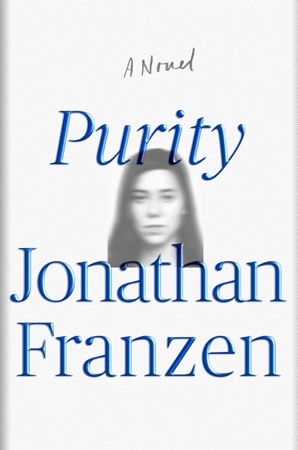
Purity – Jonathan Franzen

Famous for dissing Oprah, there’s no arguing with Franzen’s talent. His newest book hits the shelves Sept. 15.

Euphoria

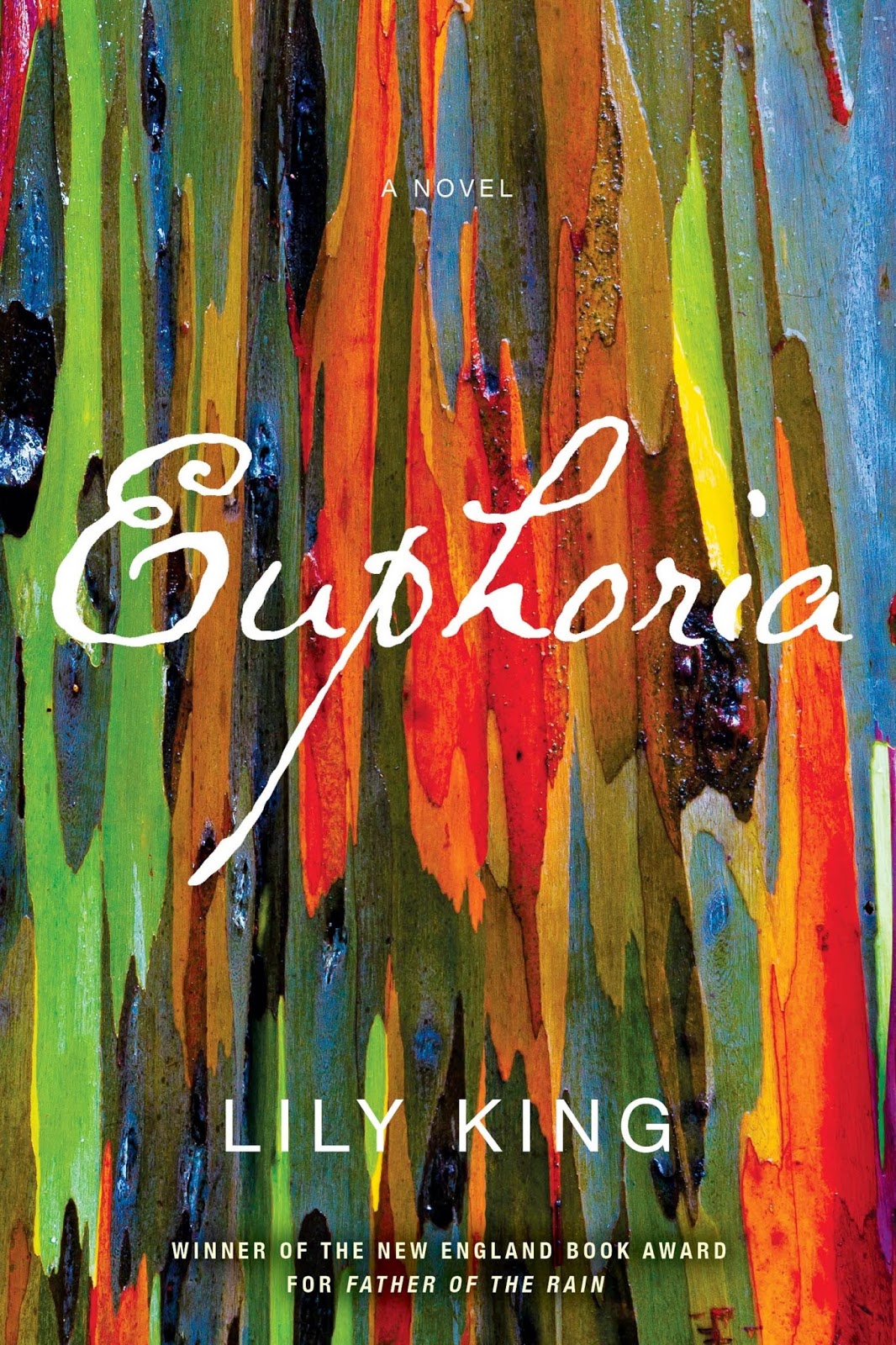
Euphoria – Lily King

Inspired by the life of Margaret Mead and almost universally praised.

troop

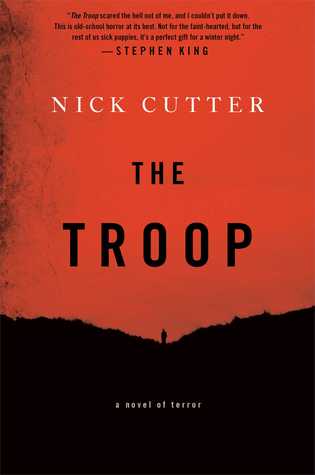
The Troop – Nick Cutter

Unless you love horror novels, you might not have heard of this one…but trust me, everyone was talking about it.

spider

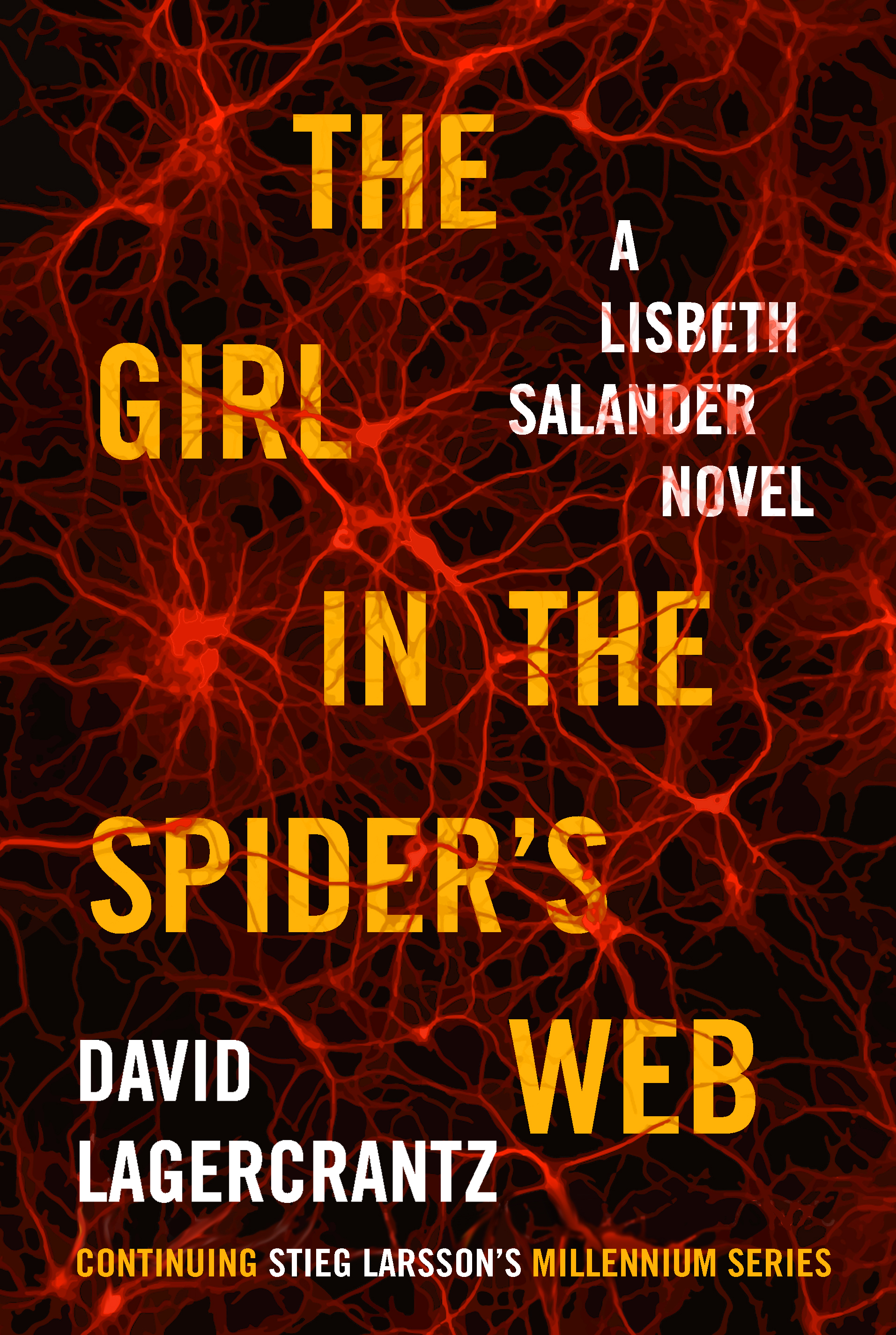
The Girl in the Spider’s Web – David Lagercrantz

Stieg Larsson, the creator of the Millennium series, died of a heart attack in 2004, but that apparently won’t stop Lisbeth Salander, the series’ prickly computer genius. Hotly anticipated and hitting the shelves Sept 1st.

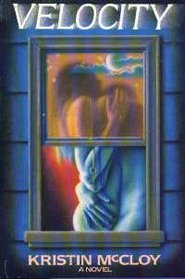
Velocity – Kristin McCloy

velocityA couple of days ago on Information Morning, I talked about how I wished that I could carve out some time to revisit some of my favourite books. I mentioned three in particular: A Tree Grows in Brooklyn by Betty Smith, Jane Eyre by Charlotte Bronte and Kristin McCloy’s Velocity. All three of these books had a profound impact on me, the first two when I was much younger and McCloy’s book when I first read it as a twenty-something. Of those three, I have actually already re-read Velocity numerous times and I just finished reading it again.

I think I am going to have a difficult time articulating exactly why I continue to find Velocity so compelling, but I do want to honour the book and its place in my personal canon here, especially because I recently had the very good fortune of exchanging a couple emails with the novel’s author, Kristin McCloy. (Insert fangirl squee here.)
When it was first published in 1988, Velocity caused quite a stir and earned copious praise. I am not sure what year I picked up my copy, perhaps 1989, but I definitely purchased it at The Strand in NYC. I devoured the book then for reasons that will surely become apparent a little further on.

So, what’s the book about?

Twenty-five-year-old Ellie Lowell has returned to her backwater North Carolina hometown to scatter her mother’s ashes. Ellie’s an only child and she’s been living in New York City for the past six years, so she’s finding it difficult to connect with her taciturn father, a local cop. They share the family home like two strangers might share a taxi ride to the airport – making small talk, but never really connecting.

Despite the awkwardness, Ellie decides to stay home for the summer, leaving her fledgling career in the film business and her boyfriend, Dec, back in the Big Apple. She gets a job at a local diner and before you can say two eggs over easy, she’s hooked up with Jesse, the half-Cherokee biker who lives down the road. Ellie knows he’s trouble. She says

…it occurs to me, a thousand woman, he’s had a thousand women, and every one of them has fed him everything she had.

Even though Jesse isn’t much for talking, Ellie finds herself pulled into his orbit. The attraction is sexual, of course, and she remarks that his “crazy height and that straight hair down to [his] shoulders, even from the shadows of [his] porch, the way [he] stared at me would’ve burned a hole in a blind woman’s side…”

When she’s with Jesse, she doesn’t think about anything else and that’s a good thing because what Ellie doesn’t want to think about is that her mother is dead. She can’t avoid the knowledge that “Everything crumbles. The walls, the rooftop…every structure will fall. Everything known, all that is so familiar, will vanish. Including myself.” What she can do, however, is push that knowledge away and although she is “aware of [her] grief waiting for [her], patient and thick,…right now it is remote.” Jesse is in its path.

At her age I was doing much the same thing, which is, I suppose, why Velocity struck a chord with me when I first read it all those years ago. I don’t recall what I was running from, but I sure knew what I thought I was running to. My guy, let’s call him S., was crazy tall, mostly silent, beautiful, at least to me, and he’d often disappear for days at a time, throwing me into a frenzy of longing, and then reappearing like an apparition. Like Ellie, I read into the smallest of gestures – a moment of tenderness could sustain me for weeks. S. wasn’t a criminal, but he definitely had his own demons and he was in no position to give me what I so desperately wanted. Our relationship was doomed from the start, but that didn’t prevent me from showing up where I’d know or hope he’d be or using sex as a bargaining chip. Our whole relationship was just fraught. And the weird thing is, 30 years later, I still feel that little electric charge on the rare occasion that I see him around.

When I read this book back in the day it was ALL about Jesse and Ellie’s relationship. I believed that Jesse did, in his own way, care for Ellie. I excused his bad behavior because Ellie excused it. I wasn’t blind to Ellie’s grief, but I hadn’t experienced real grief yet and so, although I could sympathize, I couldn’t personally relate to that part of her story. I knew exactly how she felt with Jesse, though. I knew that “electrical current” and the “pleasure like mercury.”
So, how does the book hold up upon rereading? Um – it’s still freaking fantastic. And here’s why. McCloy is a beautiful writer. That has always mattered to me. From the book’s opening line:

Sometimes in my dreams you rise up as if from a swamp, whole, younger than I remember, dazzling, jagged, and I follow you into smoky rooms, overwhelmed by the sense of being in the presence of an untamed thing, full of light, impossible to control.

…until the final pages, McCloy’s writing is fluid and evocative and painfully honest. But we readers know that beautiful writing only goes so far; we have to care about the characters, too. From this vantage point (on the slippery downward slope), I want to tell Ellie what I’m sure she already knows: he’s not the right guy. But I never wanted to shake her and say “Ellie, you’re acting like an idiot.” Her grief is palpable. I feel it like she feels it “a fist, hard-knuckled and small.”

She is so clearly out of control and there is no one able to ease her pain. Her father is caught in his own. Dec is helpless in New York and when he arrives unexpectedly, his presence just muddies the waters. It’s easy to see why Jesse becomes the center of her universe. He doesn’t ask questions that she can’t answer. He doesn’t ask anything of her at all, he simply “hunted down [his] needs – simple and precise – and in those days, it was me.”

Velocity is a novel about loss. And grief. It just so happens that it also has some incredibly erotic sex scenes; trust me, you’ll feel it in your knees. But here’s something interesting about my reread: this time, for the first time ever, I cried.

Now I understand. Since the last time I read this book – and it’s been a few years – both my parents have passed away, my mom in 2006 and my dad in 2009. I get Ellie’s frantic desire to sublimate her grief. Everything about her journey seemed organic and honest to me. I ached for her. I missed my parents. I also missed, strangely, that feeling of being so crazy in love with someone that you can’t think straight. All those things are lost to me now.

Velocity is a special book. Thanks, Kristin, for writing it.

Off the Shelf – The Great Summer Re-Read

Listen here.

So, summer offers a great long stretch of free time for a lot of people. I do teach summer school, generally, but that still leaves me with lots of sunny afternoons at the beach and rainy days on my couch. Last time I was on Information Morning,  I offered some suggestions of great books to while away your summer afternoons, but here’s another option: re-reading. I never have time for this and I always wish I did because there have been some books in my reading life that deserve another look.

Some people say that life is too short to re-read books, but I disagree. It’s like watching your favourite movie a million times. That never gets old, right? It’s your favourite movie for a reason. It would be embarrassing to tell you how many times I saw Grease in the theatre the summer it came out. (A lot. In the double digits.)

There are lots of benefits to reading a book for the second or even fifth time.

Researchers have suggested that re-reading can benefit your mental health, reigniting emotions and benefitting knowledge. If you’ve ever had the experience of falling in love with a character, then re-reading is one way to re-connect with that character. Books themselves often have the ability to transport us back to a special time. I have very specific memories of some of the books I have purchased

Another benefit of re-reading is that the pressure is essentially off; you already know how it’s going to turn out. The flip side of that is that because you know how the plot will unfold you can concentrate on other aspects of the book, characterization on even just the beauty of the writing.

I purchase a lot of books from bookoutlet.ca and I always stumble upon books I never expected to see again. One of those books was The Silver Sword by Ian Serraillier.  I LOVED that book when I was twelve; I read it when I was a student at Forest Glen school in Moncton. So – 40 years later I re-read it and I have to say that it did not in any way live up to my memories. Still, I’m so glad to have it on my bookshelf.

For me, re-reading is a real luxury because I have so many tbr books, but as I am reading The Goldfinch this summer, I think re-reading might be a nice companion to that experience.

So here are some books I think I might revisit this summer:

brooklynA Tree Grows in Brooklyn – Betty Smith

I probably read this book when I was eleven or twelve and it’s a book that I often recommend to my students. It’s one of those classics that I have really fond memories of because it’s evocative of a time a place that was, when I was a kid, so beyond my experience. It’s the story of Francie who grows up in Brooklyn with her younger brother Neely and her parents. They are really poor and I can remember as a kid being fascinated with how they made do with so little. I loved Francie and I would love another chance to spend time with her.

jane eyreJane Eyre – Charlotte Bronte

This was, looking back, my first “adult” read. I might have been twelve or thirteen when I read it. I absolutely adored Jane who, despite not being beautiful, was smart and self-reliant. Even at my young age I admired her feisty nature and her determination to be self-sufficient. Plus, she lands the handsome but tortured Mr. Rochester. Jane Eyre was ahead of its time, although I probably didn’t appreciate it for those reasons when I read it as a kid. It would be interesting to re-read it now.

velocityVelocity – Kristin McCloy

Okay this book is really special to me for a variety of reasons. I bought it at The Strand in NYC in 1988 or 89. I don’t remember why I even knew about it except that it was kind of a superstar novel when it came out. I have reread this novel numerous times, but not recently. I actually posted a one line review of the book on Goodreads – more as a place holder than anything else, and recently Ms. McCloy herself thanked me for my “review” – which of course it wasn’t. She also provided her email address and we exchanged a few emails back and forth. I am sure I was totally inarticulate about the book. Being able to chat with the author of a book you love is sort of the literary equivalent of meeting Ryan Gosling who is my celebrity boyfriend.

Velocity is the story of 25 year old Ellie who returns to her home in the southern States after the death of her mother. Her dad is a local cop and he’s mostly silent in his grief, but Ellie’s grief manifests itself very differently. She pursues Jesse, the biker dude who lives down the road. He’s totally wrong for her and she totally can’t stay away from him. I was, at the time I read this book, of a similar age in a similar relationship and there wasn’t anything about Ellie I couldn’t relate to – except the dead mom. On top of that, the writing is just so beautiful. Never mind spending good money on E.L. James’ Grey (I mean, seriously, do we actually need to hear that story from another p.o.v.?) track down a copy of Velocity. It’s steamy, yes, but it’s also poignant and just so, so damn good. Since this segment aired, I have finished Velocity and I’ll post a proper review asap.

Off the Shelf – Summer Reading

Listen here.

I read every day, 365 days a year, but I especially look forward to my summertime reading because I can read whatever I want. During the school year I read a lot of YA fiction, whatever my book club is reading and whatever else I can squeeze in from my ridiculous tbr shelves. In the summer- no rules, so I thought I would share some books to rev your summer reading engines.

If you want to read a YA novel…and your son or daughter is heading to university in September

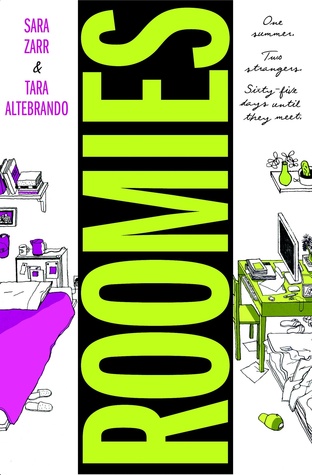
roomiesRoomies – Sara Zarr and Tara Altebrando

My daughter, Mallory, is graduating from high school on Friday and so this book was extra bittersweet for me. It’s the story of two girls, Elizabeth and Lauren, who live on opposite coasts but who are both off to UC Berkley in the fall. Elizabeth lives in a condo with her mom. Her father is long gone and she doesn’t really have any contact with him. Her mom is sort of a serial dater and the two of them are at odds with each other. She’s an only child so she’s really excited when she gets her accommodations placement and discovers she’s going to be rooming with Lauren. Unfortunately, Lauren is the eldest of five and she really, really wants a single room. Roomies is the back and forth email conversation between the two girls and it’s fantastic. We get to watch the friendship blossom between these girls at a time when they are excited and nervous to break free of their families and lives and sort of reinvent themselves and it’s just a beautiful coming of age story.

If you want to travel to Italy…

ruinsBeautiful Ruins – Jess Walter

Everybody was raving about this book when it came out in 2012, but I just read it last week for my book club – shoutout to the girls! So, so good.

This is the story of Pasquale Tursi who, in 1962, has recently returned from Florence to his home town, Porto Vergogna, a place accessible only by boat. He’s back to run the family business – the only business really, a café and hotel called Adequate View. It’s also the story of Dee Mornay, an American actress who is in Italy to work on Cleopatra – the notorious film starring Liz Taylor and Richard Burton – and ends up at the Pasquale’s hotel. And then, flash forward to present day and we meet Michael Deane, this oily Hollywood producer and Claire his disenchanted assistant and this novel beautifully marries past and present and also asks us to consider what is an adequate life? If you haven’t already read this book you really need to move it to the top of your tbr pile.

If you want to travel to Paris

parisParis Letters Janice MacLeod

I just finished this book yesterday – I basically read it in a day. MacLeod is a Canadian who was working for an ad agency in L.A. and she was just tired of it. Basically, she was writing junk mail advertising and, at 34, she just didn’t want to do it anymore. What she wanted to be was an artist and this book is all about how she made that happen for herself. She basically scrimped and saved enough money so that she could take a whole year off and travel – which she loved to do. So Paris Letters is the story of how she rediscovered herself, shed all the crap that doesn’t matter and moved to Paris and not only did she tap into this more authentic version of herself (without all the hokey self-help stuff, honest) she also fell in love with a Polish butcher.

If you are looking for a reading challenge, or people to read with

goldfinchYou should join Karen Vickers’ Facebook book club. Last year she encouraged people to read Eliot’s Middlemarch and this year we’re tackling The Goldfinch by Donna Tartt. This is Tartt’s third novel, it won the Pulitzer, it’s over 700 pages long…but I can guarantee that it’s going to be awesome because Tartt is amazing. The group is secret on FB, but I will put instructions on how to hook up with us on my blog and I hope you’ll join in the fun.

Visit my Facebook page and leave your name in the comments section of the Goldfinch post and I’ll make sure your name is added to the list.

Still looking for suggestions? Here’s a list of ten of my favourite (not too strenuous) reads:

lanternThe Lantern – Deborah Lawrenson

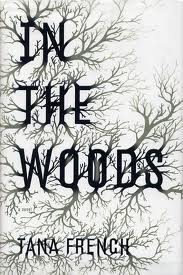
in the woodsIn the Woods – Tana French

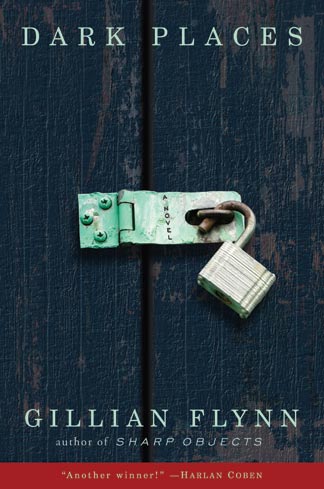
dark-places-book-coverDark Places – Gillian Flynn

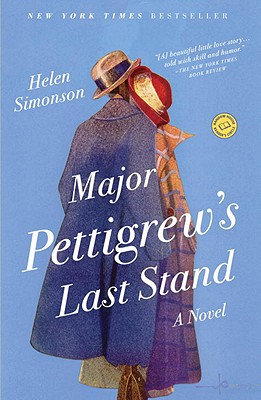
pettigreMajor Pettigrew’s Last Stand – Helen Simonson

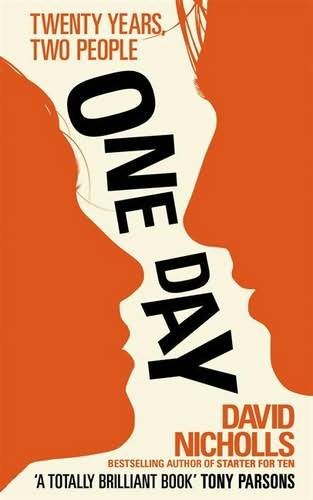
one-dayOne Day – David Nicholls

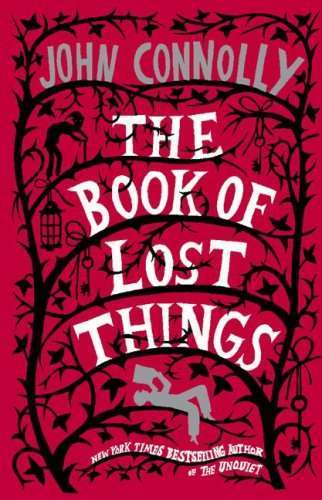
the_book_of_lost_thingsThe Book of Lost Things – John Connolly

instrumentsInstruments of the Night – Thomas H. Cook

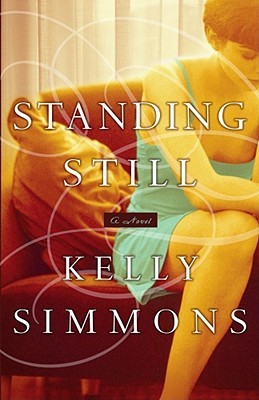
standingStanding Still – Kelly Simmons

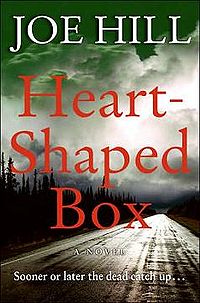
heartshapedHeart-Shaped Box – Joe Hill

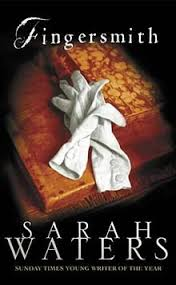
fingerFingersmith – Sarah Waters

Off the Shelf – The “C” Word

Listen here.

Dave Pilkey, author of the often-challenged Captain Underpants books, made a great little video about censorship:

According to Judith Platt, chair of the Banned Books Week National Committee, “Young Adult books are challenged more frequently than any other type of book.”

The topic of censorship is a tricky one because I have my own personal views which, basically, can be summed up like this: I think people should be able to read whatever in the heck they want…and that includes teenagers. I am a parent and I have teenagers who love to read. My son read Donna Tartt’s The Secret History when he was barely 14. Is there adult content, sure. Could we talk about it – absolutely.

The question that immediately springs to mind for me is: what are we so afraid of that we have to censor reading material? Personally, I believe that people should have access to all sorts of reading material without judgement or interference. That said, you won’t find Fifty Shades of Grey in my classroom library. For obvious reasons. When I am choosing books for my library I try to pick material with literary merit…

The Canadian Organization, Freedom to Read has a comprehensive (and honestly, funny,) timeline of books that have been banned dating back to 259-210 B.C.

It’s amazing what’s on that list – everything from Shakespeare (1788: Shakespeare’s King Lear was banned from the stage until 1820 — in deference to the insanity of the reigning monarch, King George III.) to Beatrix Potter’s Peter Rabbit books (1980s: During its examination of school learning materials, the London County Council in England banned the use of Beatrix Potter’s children’s classics The Tale of Peter Rabbit and Benjamin Bunny from all London schools. The reason: the stories portrayed only “middle-class rabbits.”) And here’s one of my favourites: 1983: Members of the Alabama State Textbook Committee called for the rejection of The Diary of Anne Frank because it was “a real downer.” It was also challenged for offensive references to sexuality.

I thought I’d share with you three YA books that have been banned at one time or another in one place or another and which I think are worth reading:

part time indianOne of the most challenged book in the US is Sherman Alexie’s The Absolutely True Story of a Part-Time Indian

This is a National Book Award winner and I read it a couple years ago. Here’s the funny thing – acclaimed books, award winning books often make the banned books list as well.

This novel is, in part, based on the author’s own experiences growing up. It’s the story of Arnold ‘Junior’ Spirit, a fourteen year old Native American who lives on’ the rez’. He’s got a whole host of physical problems, ten teeth too many and a head that’s too big. He’s picked on a lot and says he’s a member of the “Black Eye of the Month Club.” But he’s funny and smart and it is almost impossible not to fall in love with him.

So, this book has been banned in multiple school districts in the States for being vulgar, making references to masturbation and using inappropriate language. Personally, I didn’t find it objectionable and I often recommend it to boys who aren’t particularly enthusiastic readers because it’s straight – up funny and also because Junior is an aspiring artist, it’s filled with drawings and doodles. I haven’t had a single kid tell me they didn’t like it.

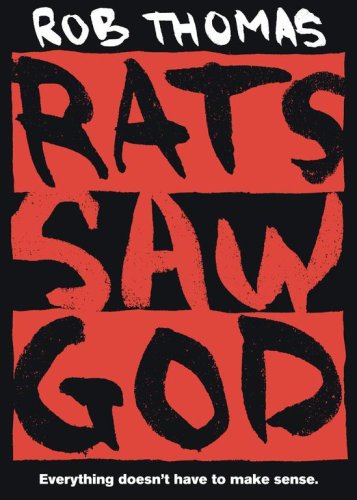
ratsRats Saw God – Rob Thomas (not of Matchbox 20 fame, but of Veronica Mars fame and a former Journalism teacher)

This book is about a high school senior called Steve York who is pretty close to flunking out of school despite the fact that he’s super smart. This book was challenged because Steve smokes drugs, but the book hardly endorses drug use – it’s actually very much a coming of age story a la Catcher in the Rye (another books that has been challenged multiple times.) Anyway, Steve’s guidance counselor gives him one last chance to save his year- he has to write a 100 page paper about…anything…and ultimately Steve uses the writing to work through his issues. Clever book, terrific main character….positive messages for struggling teens.

eleanor and parkEleanor and Park – Rainbow Rowell

So this was Ms. Rowell’s first novel and it caused a huge splash when it was published – partly because John Green wrote a glowing review and partly because it’s awesome – but it’s also been called “dangerously obscene” – which it is certainly not, unless maybe you don’t like 80s new wave music.

Eleanor is an awkward teenager who lives with her mother and step-father (who is a creep) and her younger siblings and Park is half Korean and comes from a stable, loving home and this novel is about friendship and love.

Interesting discussion with some Australian YA writers about banning books

Off the Shelf – LGBT Fiction for Young Adults

Listen here.

May 17 is the International Day Against Homophobia, Transphobia and Biphobia so I thought this was the perfect time to talk about books that feature LGBT (Lesbian, Gay, Bisexual, Transgendered) characters.

First off – I’m no expert so if you are wondering what it all means there’s a great glossary at the UC Davis Resource Centre.

I’ve often talked about how important it is for young readers to recognize themselves in the books that they read, and for that reason it’s obviously important for LGBT characters to have access to books with characters that reflect their own experiences. I don’t know whether those books existed when I was a teen – although that was a million years ago.

I spend a lot of time choosing books for my classroom library. I’d love to have a little bookstore someday, but stocking the shelves in my classroom is almost as much fun. But I digress. When I’m buying books for my class I try to keep in mind all my students – so I have to buy books about hockey and skateboarding and kids from other countries. I have to buy non-fiction.I have to buy easy books and challenging books.  I have to appeal to all my readers and, more importantly, I have to give my kids an opportunity to read books that will expand their worlds. Books have done that for me; I want books to do that for them.

Having the opportunity to read about someone’s journey – regardless of what that journey is – goes a long way to developing understanding, acceptance and the most important human quality – empathy. We seem to be inching our way towards a world of acceptance – lots of positive things happening out there – the straight guy who asked his gay friend to the prom, for example…but the world that I dream of for my own kids is one where people are just people and that kindness extends to everyone and that a story like that is the norm…and therefore, not news, really.

So I have some book suggestions.

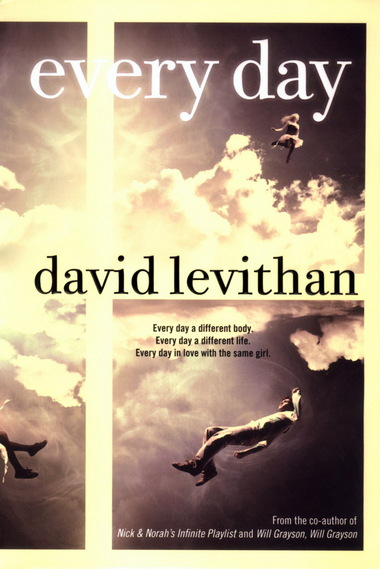
16BLEVITHANEvery Day – David Levithan

So every day the main character ‘A’ wakes up in a different body. He spends 24 hours in that body and he is essentially that person. This is a strange way to live, but it gets even stranger when A falls in love with Rhiannon, the girlfriend of one of his ‘host’ bodies. This book really blurs those gender lines and asks its readers to consider what love is and, more importantly, what it is not. I recommend this book a lot in my classroom.

morethanthisMore Than This – Patrick Ness

So everyone knows I am a huge Ness fan and I loved this book, too. The fact that Seth, the main character in this confounding novel is gay is only incidental, really. The novel starts with Seth drowning and then waking up in a bizarre sort of post-apocalyptic world. More Than This is a page turner, for sure. It’s philosophical and difficult and profoundly moving.

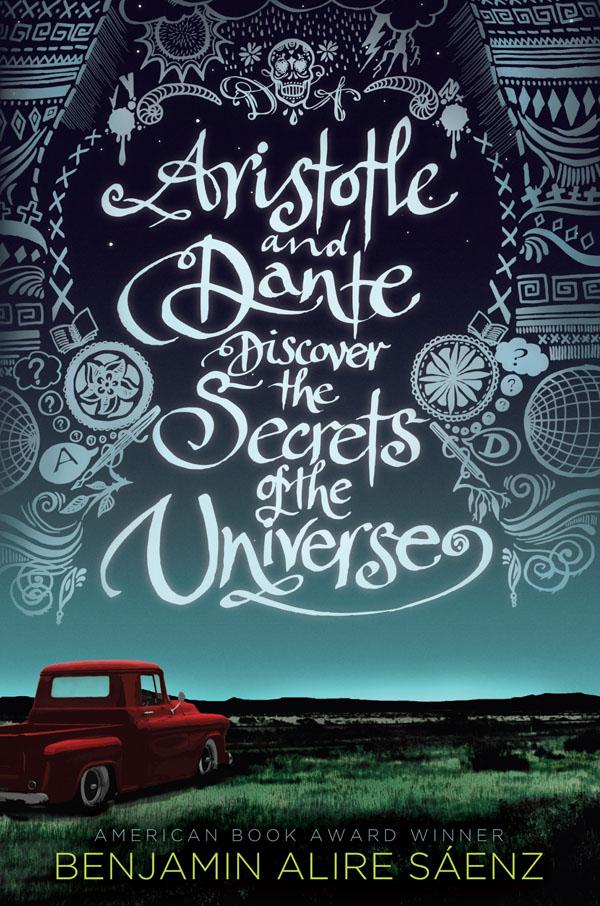
aristotle_and_danteAristotle and Dante Discover the Secrets of the Universe – Bejamin Alire Saenz

I just finished this book and I loved it. Aristotle is a 15 year old Mexican American and lives with his parents in Texas. It’s 1987. He’s angry and sort of depressed, too. He meets Dante at the pool and they become friends when Dante (also Mexican-American) offers to teach Ari to swim. This is a coming-of-age story and a story about family and community and it’s a love story. I may have teared a few times reading it. So good.

Here are some other books featuring LGBT characters and I encourage everyone to expand their reading horizons to mark May 17th, sure, but beyond that – let’s make every day a day of acceptance.

Beautyqueens-670x1024 ifilie luna miseducation totally joeadambeyondloveglobalrainbow

Off the Shelf – March 30

Listen here.

Enough with the sequels already.

So I have decided that I have a pet peeve: sequels. It seems like more and more young adult novels have sequels or are part of a trilogy and it irritates me…and I can’t quite figure out why.

My most recent experience is with a book that I started reading last week called Monument 14 by Emmy Laybourne. It was actually a pretty decent book, if you are into post-apocalyptic fiction – which I am not, btw. So, it’s the story of brothers Dean, who is 16, and Alex, who is 13, and they live in a town called Monument which is about 50 miles outside of Denver. On their way to school, there’s a freak hail storm – only the hail is like pieces of rock. They manage to take refuge in a huge Greenway Superstore and their bus driver tells them to stay put until she can bring back help. There are 14 kids all together – thus the name of the book Monument 14 – ranging in age from 5 – 18. Turns out, the hail storm is actually a byproduct of a volcano, which set off a megatsunami, which caused chemicals to be released from a nearby government facility. Total page turner. In fact I had so much fun reading it, I went out and bought the sequel, Monument 14: Sky on Fire before I was even done the first book. The second book…same as the first, really. Teens in peril because the world isn’t safe anymore. Again, I had fun reading it because, of course, now I am invested in the characters. I want to see how they survive, if they have any chance of being reunited with their parents. But when I got to the end of this book I felt…less excited and more sort of annoyed. The third book is called Monument 14: Savage Drift and I guess I will purchase it eventually, but I am happy to leave Monument behind.

So, this was the impetus for me to think about sequels and why there seems to be so many of them in YA fiction, particularly speculative fiction. I don’t think we can totally blame Suzanne Collins for the recent popularity of trilogies, but here’s where I make a confession. I loved The Hunger Games, but I haven’t read either Catching Fire or Mocking Jay. I did a little digging, and it seems that I am not the only person who is suffering from trilogy or sequel fatigue – okay, not an actual condition, but lots of other avid readers feel the same way I do about trilogies.

In 2013, Publisher’s Weekly was already talking about trilogy fatigue. I think at one time in the not too distant past it was easier to get a book deal if you were selling a trilogy, but publishers aren’t looking for dystopian fiction as much as they are looking for realistic fiction these days…so trilogies, hopefully, will be on the decline. Thank God – because, honestly I can’t keep up.

That said, as a person who spends a good portion of her time trying to encourage students to read – a series isn’t a bad thing to hook a kid. If you can get them to invest in one book, if they like it – then there’s a good chance they’ll stick with the series.

On the other hand, there’s a lot to be said for books that just finish – even if it seems like there might be the potential for more, like Holly Black’s fabulous vampire novel The Coldest Girl in Coldtown, which, sure – she could have carried on. Or Courtney Summers’ This is Not a Test, which I talked about a few weeks ago – totally left itself open to a sequel (and there is an e-sequel which I will never read because the ending of that book was perfect…even though I will have to imagine what happens to those heartbreaking characters)

Still, if series are your thing, here are some worth checking out:

Top of my list Patrick Ness’s Chaos Walking series, three books: The Knife of Never Letting Go, The Ask and the Answer and Monsters of Men. I’ve talked about these books before. I recommend them all the time in my classroom and I’ve had very few complaints.

Ilsa J. Bick’s Ashes series: Ashes, Shadows and Monsters (I’ve only read the first book – see what I mean, I can’t keep up) but students have been regularly checking this series out.

Kelly Creagh’s Nevermore series: Nevermore, Enshadowed and a third book which hasn’t come out yet, I think it’s called Oblivion.

Simone Elkeles’ Perfect Chemistry, not really a series but three different novels about three brothers: Perfect Chemistry, Rules of Attraction, Chain Reaction

Off the Shelf – March 2, 2015

Listen to The Book Blahs: Off the Shelf

Okay, who’s with me that this has been the worst winter EVER? I know I was super cranky the last time I was on Info AM and I got started on Fifty Shades of Grey. What did that book ever do to me, except not entertain me.

Anyway, the weather keeps me inside except when I need the #stormchips and I am forced out of my nest of blankets to go shovel my walk and power through my driveway to get said chips. Winter is a really great time for reading, but I also suffer from a little bit of reader’s fatigue at this time of year. Lack of vitamin D. So I thought I would talk about the reading blahs OR how to shake yourself out of a reading slump. We all have them – all it takes is a couple of bad books and you end up thinking you’re never going to find that book magic again.

Books On The Nightstand has offered up twelve suggestions for breaking a reading slump:

Reread a favorite book: I think this is a terrific idea. I have one book that I read pretty much yearly and it never fails to make me both happy and sad. That book is called Velocity by Kristin McCloy. I bought it at The Strand in NYC in the 80s and it’s very special to me for a lot of reasons.

Switch genres: So if you generally only read one sort of book, perhaps switching genres might shake you out of your book doldrums.  

 Find a book that is hugely popular: I mean there’s a reason everyone and their dog was talking about The DaVinci Code and Gone Girl, right. (Except I can’t recommend The DaVinci Code and I think Gillian Flynn’s book Dark Places is vastly superior to Gone Girl.)

Shop your own shelves: This is an easy task if you’ve got a TBR shelf like mine. Take a look.

IMG_2013

 Don’t read — listen: This wouldn’t be my preferred method of beating the book blahs, but a great site like Audible might just shake things up for you.

 Let someone else tell you what to read: I don’t tend to subscribe to method one myself, except seven times a year when someone in my book club chooses our next read. (Andrew Davidson’s Gargoyle in case you’re interested.)

 Read with a friend: Book clubs!!!

 Go for the quick fix — read some short stories or essays: I read a lot of this sort of thing online as I am always looking for things to share with my students. You want short stories? Try Alice Munro, Stephen King, Raymond Carver.

Try YA: It’s really not just for teens. Honest.

Peruse the Reviews: Check out my reviews, visit Goodreads  or find a blogger you like. Kirkus is pretty handy, too.

Seek out fan fiction: But be warned – fanfiction comes in all shapes and sizes. Some of it is amazing. Much of it is godawful. A lot of it is pornographic. Find a writer you like in a fandom you like and you’ll be a happy reader.

Step away from the books: You know what they say, a rest is as good as a cure. Sometimes a break to catch up on all your shows won’t hurt.

So, I went through a little bit of a reading slump when I read a couple mediocre YA novels in a row…and then BAM…I read an awesome YA book and I think it renewed my faith in the written word again.

The book that wowed me was called

charmCharm & Strange by Stephanie Kuehn

I actually suggested Jeremy Chaisson read this book on a recent visit to Indigo – I absolutely loved it. (Last check, he wasn’t grooving to it, but no matter.) This book is a William C Morris Debut award winner, if you care at all about pedigree. It’s the story of Win, a sixteen-year-old who attends a New England boarding school and who is so bottled up you just know he’s going to explode at any moment. He knows it too; he thinks something even more sinister is happening to him. Win’s story unfolds in the present and also in the past in sections called matter and antimatter. It’s almost relentlessly bleak, but for mature YA readers it is absolutely riveting reading.

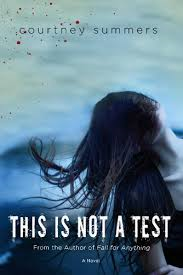
testThis is Not a Test by Courtney Summers

Courtney Summers is a Canadian YA writer and this is the second book I’ve read by her and I am now a fan. The first book was Some Girls Are and it was about bullying times 1000, but the book I just finished by her is called This Is Not A Test and man, that was a ride I was not expecting. So Sloane is fifteen and she lives with her father in a little town somewhere in North America. Her older sister, Lily, has recently run away. The reader will figure out pretty quickly that her father is physically abusive and that would be enough for one book, but all it really does is create this impossibly complicated character who then has to survive….the zombie apocalypse. No joke. This Is Not A Test was my first ever zombie novel – I had NO desire to ever read them…I am more of a vampire girl…but this book was SO amazing: suspenseful and heartbreaking and filled with teen angst. So good.

keptinthedarkKept in the Dark by Penny Hancock

Finally, I read a book one stormy Sunday that I couldn’t put down. Not YA, but I thought I’d share it.  There might be some squick involved for some people, but I could not stop turning the pages. The main character is a 40-something woman called Sonia. She’s a voice coach, her husband is a lecturing neurosurgeon and her daughter is away at university. They live in a house by the Thames which her husband wants to sell, but it’s Sonia’s childhood home and she refuses to leave. The teenaged nephew of one of her friends stops by to borrow an album – yes, actual vinyl – and Sonia does something most peculiar: she gets him drunk, drugs him and locks him in her soundproof music room. To the outside world, Sonia is a functioning adult, but clearly not right in the head and the reasons for that are slowly revealed in flashback. Could not put it down, although I understand why it might not be everyone’s cup of tea.

Looking for more recs? Click on the ‘Highly recommended’ tag in the sidebar to look at books I’ve really enjoyed.

Happy reading!