The Names – Florence Knapp

Cora has never liked the name Gordon. The way it starts with a splintering sound that makes her think of cracked boiled sweets, and then ends with a thud like someone slamming down a sports bag. Gordon. Bu what disturbs her more is that she must now pour the goodness of her son into its mold, hoping he’ll be strong enough to find his own shape within it.

This is Cora’s dilemma after the birth of her second child. She doesn’t want to name the baby after his father, a prominent, beloved doctor who is also a physically and mentally abusive husband. So, on the day that Cora and her daughter Maia, 9, walk to the registry office to officially register the baby’s name, they imagine other names instead of Gordon. Maia is fond of Bear because “It sounds all soft and cuddling and kind.” Cora is partial to Julian, which means “sky father.”
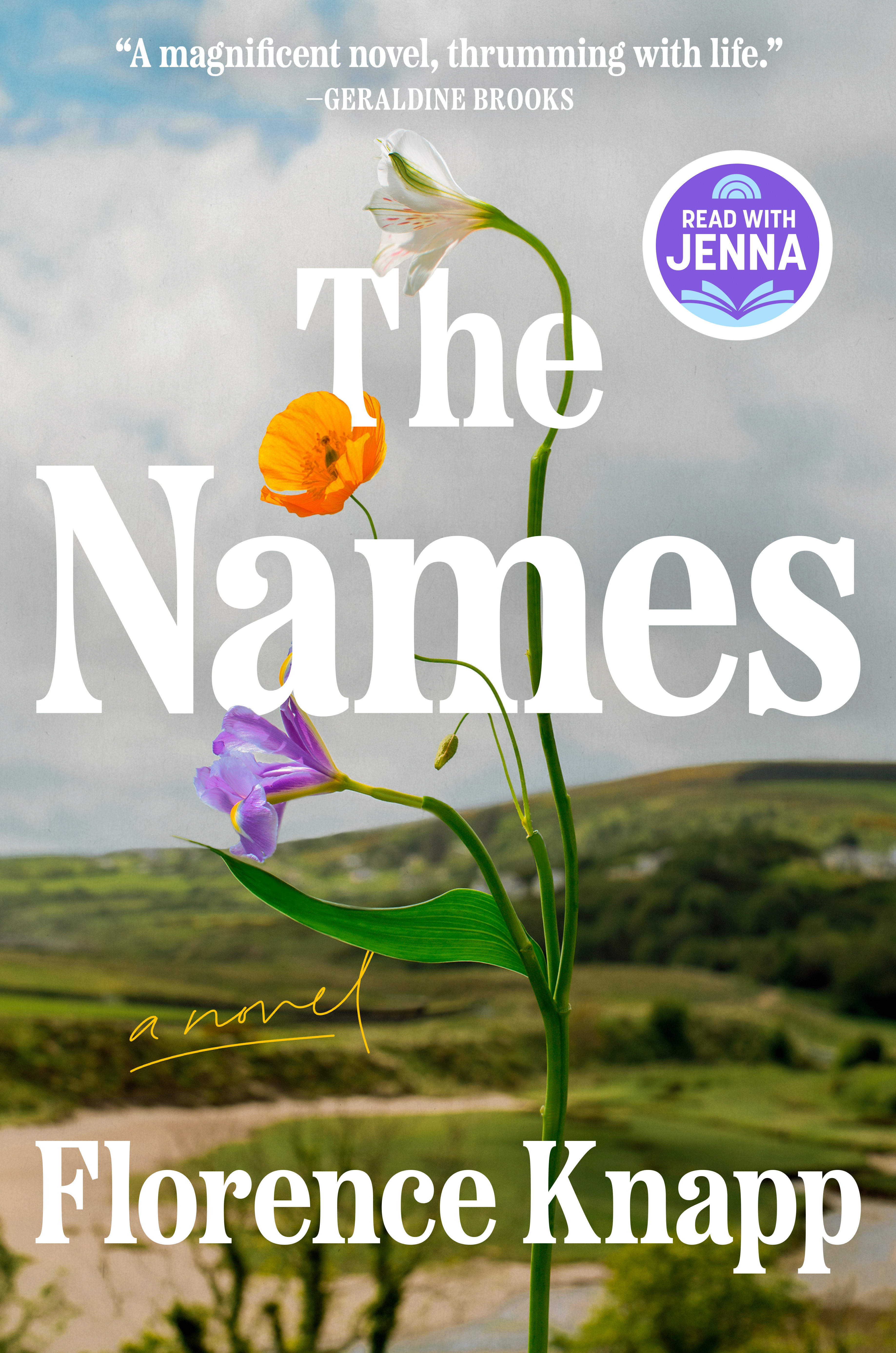
Florence Knapp’s novel The Names imagines the lives of these characters if the baby had been named Bear, Julian or Gordon – skipping forward at seven year intervals for thirty-five years. Who dos this little boy become and how does his name affect the people in his life?

I loved everything about this book, honestly. Although the author has written books previously, The Names is her debut novel and it’s a corker. I loved the glimpses into Bear/Julian/Gordon’s life, loved seeing what things were similar in each iteration an what things were vastly different.

But the novel is not just concerned with his life. We are also privy to Cora’s story, her early courtship with Gordon, her upbringing in Ireland, and what becomes of her in each of these scenarios. Maia, too, gets her story.

What’s in a name? Turns out, quite a lot. Highly recommended.

The House of Ashes – Stuart Neville

When Sara and her husband Damien move into their new house in Northern Ireland, she almost immediately begins to feel uneasy. For one thing, there’s a stain on the flagstone in the kitchen that no amount of scrubbing seems to remedy. For another, a strange woman shows up one morning and yells at Sara to get out of her house. As if this weren’t disconcerting enough, Damien is clearly controlling and emotionally abusive and it’s clear that he’s gaslighting Sara.

Stuart Neville’s novel The House of Ashes unspools the story of the horrific history of “The Ashes” (as the house is called) in several different voices. There’s Sara’s, of course, but there are other voices too, including Mary, a little girl who lived at the house sixty years ago, and Esther, another girl who comes to The Ashes. It is clear early on that The Ashes is not a happy place. Mary says

I always lived in the house. I never knew any different. Underneath, in the room down the stairs. In the dark. That’s what I remember most, when we were telt to put the lamps out. They locked the door at the top of the stairs and that was that. Dark until they opened it again. I still don’t like the dark.

Neville’s book is about abuse. Sara’s husband is abusive – the kind of domestic abuse that might be familiar to modern day audiences, abuse that is couched as a love so deep the person just can’t help themselves. The abuse at The Ashes in Mary’s story is something completely different. Mary and Mummy Joy and Mummy Noreen are at the mercy of the Daddies: Ivan, Tam, and George. Although many of the details are spared, your imagination will have no trouble filling in the blanks.

As Sara digs deeper into the dark secrets of The Ashes, she also finds her own voice, and it all makes for a compelling read.