Off the Shelf – My Book Graveyard

Listen here.

Books are like a relationship, sometimes you have to break up with them

I’ve been a little bit of a reading slump of late. I blame Donna Tartt’s The Goldfinch, which at almost 800 pages gave me a total book hangover. After finishing that, I definitely needed some lighter fare to cleanse my palate. So, I headed to my ridiculous TBR shelf and chose The Swimming Pool by Holly LeCraw. I thought that might have been just the ticket to jumpstart my reading again, but it’s been super-slow going. It’s the story of two families whose lives intersect because of not one but two affairs and I have almost given up on it a couple of times. The writing is good though, so I keep trudging along.

I used to be the reader who finished everything she started. I couldn’t stand the thought of abandoning a book that I’d started, but the older I get and with more demands on my time (aka Netflix bingeing) I find that I am not as willing to go the distance with a book that doesn’t float my boat.

So, what causes me to close the book forever?

  1. Style over substance. Okay,  I am attracted to the pretty. But I am also more – how should I say this – seasoned. I am less enthralled by a beautifully written book with nothing to say. It doesn’t take long for  the pretty to wear off.  I’ll compare it to being at the bar. Across the room you see this gorgeous guy. You make eye contact. Then you realize he isn’t actually looking at you; he’s looking at his reflection in the mirror behind you. A book that works so hard to be literary, to impress, but is really just naval gazing loses my interest pretty fast.
  2. Unbelievable characters. I don’t have to like the characters, but I do have to believe in them. Even if the author has chosen to put them in crazy situations, I want to share their journey.  I can’t travel with characters who fail to earn my respect or admiration or sympathy. So, I’m back at the bar. Handsome guy across the room. Eye contact made. You move towards each other. He buys you a drink. Then he starts talking and after about five minutes you realize he’s as dumb/self-involved/humourless/dull… as a pet fence.  You stop listening to him because you stop caring about him. Characters like that.
  3. S-L-O-W/tooquick  plot. Not every novel is driven by plot. Some stories don’t depend on what happens as much as to whom it happens. I don’t have a preference. Pacing is everything. Back at the bar, you’ve consumed your drink(s); there’s potential. And then he sticks his tongue down your throat. Whoa, buddy, didn’t see that coming! Timing is everything. If you are building suspense, build it. If your characters are going to do the horizontal mambo, let them take their time; but if nothing happens for page after page after freakin’ page while the author describes cutlery and grass clippings, sorry, it’s over. Or, if without any character development or too much exposition the book lands me in an unreasonable place, we’re through.
  4. Bad writing. Come on. Who is going to slog through a poorly written book? Not me. Not anymore. It’s amazing to me that these things get published! I mean, Twilight, okay. New Moon. Seriously!? And two more after that? Yikes. Books like that come with buzz – like your handsome friend at the bar. Until he opens his mouth and, dude, you need some breath mints or something.

So, I have a little Book Graveyard at The Ludic Reader and that’s where I send the books that just don’t make the cut. Some of those books include:
Erin Vincent’s memoir Grief Girl, which was well-reviewed but I just couldn’t finish it. It’s the story of an Australian teen whose parents are involved in a horrific traffic accident…but it was just so plodding and

City of Bones by Cassandra Clare  is a super popular teen franchise which has been adapted for television. Loads of my students have read and loved these books but I just found them derivative and poorly written. I gave up pretty early.

The Dark Heroine: Dinner with a Vampire by Abigail Gibbs

I actually read 300 pages of this book before I relegated it to the book graveyard. I would consider myself a huge fan of vampire fiction, but this book – which was written by a seventeen year old and started its life in serial form on Wattpad. Seems to be the way lots of writers are discovered by traditional publishers, but man – this book needed some serious editing help.

I would love to hear from you: what book have you given up on and why?

Off the shelf – Books with buzz

Listen here.

There are always books which are hotly anticipated by the reading public. Avid readers know, for example, when their favourite authors will be releasing their next book. Publishers generate a lot of pre-publishing buzz and of course books that win major literary awards also garner extra attention. I think book buying has changed a lot in the forty years I’ve been buying books with my own money. I remember when the Scholastic book flyer was my only real opportunity to purchase books – and then all you had was this teensy picture of the cover and the equivalent of a tweet’s worth of description. When you could actually go into a book store and hold the books, well, that was heaven. I have books on my shelf that literally cost 60 cents. Can you believe that? Social media wasn’t even a twinkle in someone’s eye – so word of mouth or checking out top ten lists was really the only ways to hear which books were hot and which books were not.

goldfinchThen you have to wonder if all books with buzz are created equal. Even books that have won big prizes are often mired in controversy. A huge portion of my summer reading time was taken up with reading Donna Tartt’s Pulitzer Prize winning magnum opus The Goldfinch. That book is close to 800 pages long and, for me at least, was thrilling and infuriating in equal measure. Not everyone agreed that it should have won the Pulitzer. In fact, The Washington Post called it “the disappointing novel that just won a Pulitzer”  Lady Vowell Smith, a professor of literature and book blogger, wondered about the book’s merits in her post “Did the Goldfinch Deserve the Pulitzer?” The UK’s Sunday Times said “”no amount of straining for high-flown uplift can disguise the fact that The Goldfinch is a turkey”. Newsweek’s review said that “The Goldfinch neither sings nor flies.”  Ouch.

I am not much of a follower when it comes to reading, but I have read both of Tartt’s previous novels: The Secret History, which is my favourite and The Little Friend. Plus, my son, Con, read this book and really liked it – so I had to give it a go.

Okay – so what’s this book about?

Theo Decker is thirteen and lives with his mother in New York City. They are on their way to a meeting at Theo’s school when they duck into the Metropolitan Museum of Art to take a look at an exhibit of Dutch paintings, including that of The Goldfinch. Theo’s mom wanders off to the gift shop; Theo is entranced by a girl of about the same age, who is in the museum with her grandfather…and then there’s an explosion and Theo’s life is irrevocably altered. The old man, as he’s dying, encourages – insists – that Theo make off with the painting of the goldfinch and that’s certainly central to the book’s story – but that’s really only a part of it. Tartt wrestles with a lot of themes here: family – both biological and the family you choose, art, beauty, addiction. Theo isn’t necessarily the most likable character, even though lots of bad things happen to him he also makes a lot of poor decisions. This book is chock-a-block with characters – Boris, the friend Theo meets while living in Vegas; Hobie, a furniture restorer, the Barbours, family friends who care for Theo when his mom first dies. A lot of people, lots of stuff happens and it’s up to the reader to decide whether any of it matters. Does it add up to something worthy of praise in the form of the Pulitzer – that is if you think prizes matter at all. It probably mattered to Tartt to the tune of $100,000.

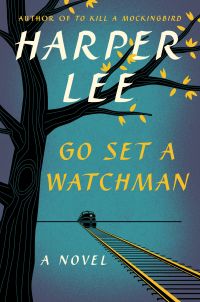
Another book that everyone is talking about is Harper Lee’s Go Set a Watchman. When this manuscript was “discovered” it Watchmanexploded the publishing world – but really: discovered? Everyone knows Harper Lee for To Kill a Mockingbird. Other than Mockingbird she is best known for helping Truman Capote (her childhood friend) with research for his book In Cold Blood. She published a handful of essays – but that’s it. She’s notoriously private and always maintained she’d never publish another book. So, it’s  kinda suspicious that this one turned up after all these years. It’s essentially an early draft of Mockingbird. Lee is 89, lives in assisted care and I think the publication of this book has something to do with the fact that her sister, Alice, sort of her gatekeeper, passed away. There’s an awesome series of articles about the discovery of Watchman and a look back at Mockingbird in The New Republic. The first article, “The Suspicious Story Behind Go Set a Watchman” is particularly interesting for anyone who wants to read the whole story behind the birth of Watchman.

Personally, I’ve resisted buying the book. I love Mockingbird. I’ve read it multiple times. Since I believe I know the story of how Watchman came to be, I’m reluctant to hand over my $30 for a book which has pretty much been panned. And of course it has – it’s unedited because Lee is blind and deaf and perhaps even the teensiest bit senile. The book’s a cash grab. I hate that.

In any case – if you are looking for something to read, something that will guarantee you something to talk about at the water cooler or dinner or with your book club, it’s easy to find those books.

If you are interested in  books that generated buzz, check out some of these titles.

girlontrain

The Girl on the Train – Paula Hawkins

This is this year’s Gone Girl. It’s on my tbr shelf, but I haven’t read it yet. I’m probably just about the last person who hasn’t.

purity

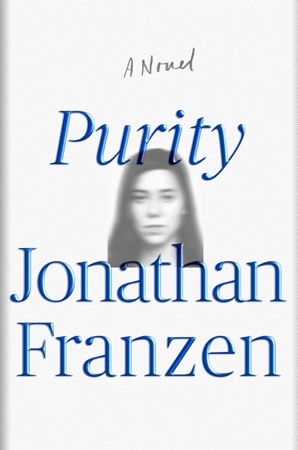
Purity – Jonathan Franzen

Famous for dissing Oprah, there’s no arguing with Franzen’s talent. His newest book hits the shelves Sept. 15.

Euphoria

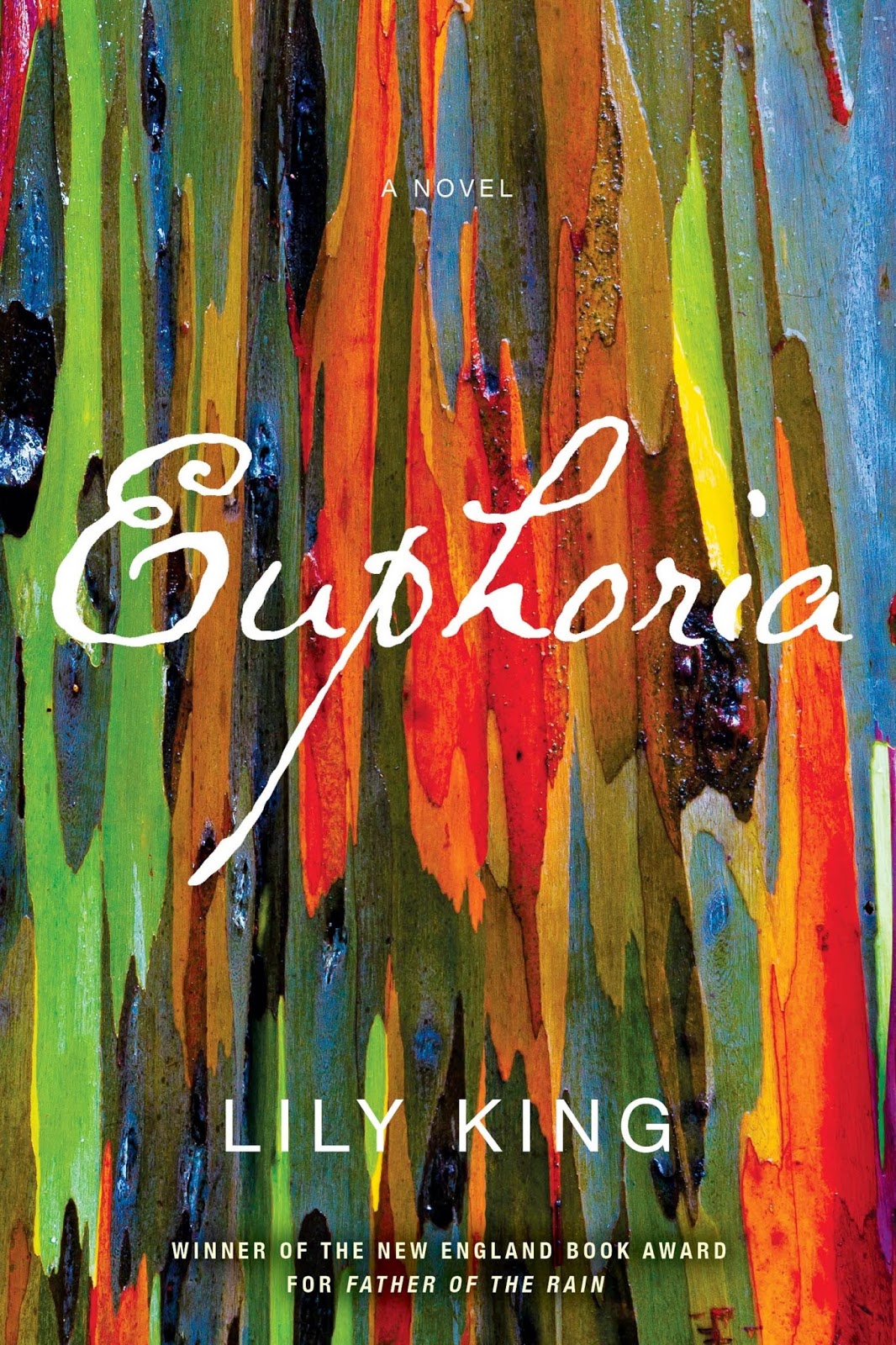
Euphoria – Lily King

Inspired by the life of Margaret Mead and almost universally praised.

troop

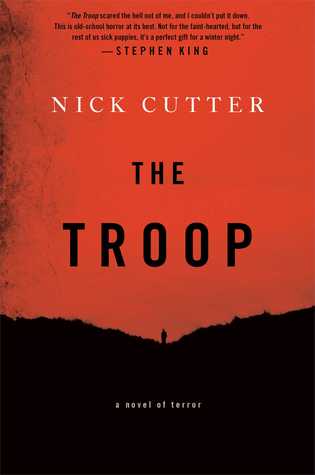
The Troop – Nick Cutter

Unless you love horror novels, you might not have heard of this one…but trust me, everyone was talking about it.

spider

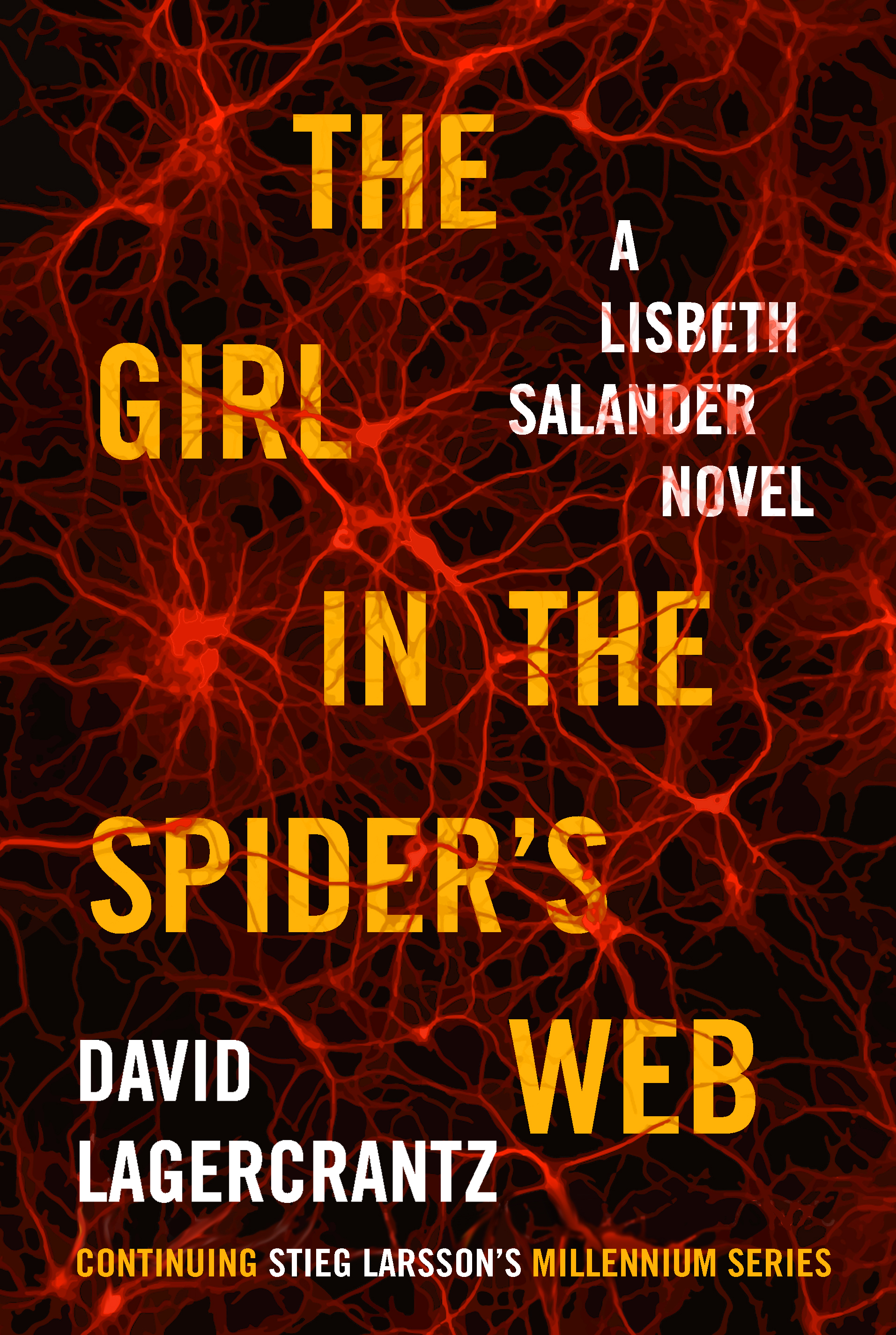
The Girl in the Spider’s Web – David Lagercrantz

Stieg Larsson, the creator of the Millennium series, died of a heart attack in 2004, but that apparently won’t stop Lisbeth Salander, the series’ prickly computer genius. Hotly anticipated and hitting the shelves Sept 1st.

Off the Shelf – The Great Summer Re-Read

Listen here.

So, summer offers a great long stretch of free time for a lot of people. I do teach summer school, generally, but that still leaves me with lots of sunny afternoons at the beach and rainy days on my couch. Last time I was on Information Morning,  I offered some suggestions of great books to while away your summer afternoons, but here’s another option: re-reading. I never have time for this and I always wish I did because there have been some books in my reading life that deserve another look.

Some people say that life is too short to re-read books, but I disagree. It’s like watching your favourite movie a million times. That never gets old, right? It’s your favourite movie for a reason. It would be embarrassing to tell you how many times I saw Grease in the theatre the summer it came out. (A lot. In the double digits.)

There are lots of benefits to reading a book for the second or even fifth time.

Researchers have suggested that re-reading can benefit your mental health, reigniting emotions and benefitting knowledge. If you’ve ever had the experience of falling in love with a character, then re-reading is one way to re-connect with that character. Books themselves often have the ability to transport us back to a special time. I have very specific memories of some of the books I have purchased

Another benefit of re-reading is that the pressure is essentially off; you already know how it’s going to turn out. The flip side of that is that because you know how the plot will unfold you can concentrate on other aspects of the book, characterization on even just the beauty of the writing.

I purchase a lot of books from bookoutlet.ca and I always stumble upon books I never expected to see again. One of those books was The Silver Sword by Ian Serraillier.  I LOVED that book when I was twelve; I read it when I was a student at Forest Glen school in Moncton. So – 40 years later I re-read it and I have to say that it did not in any way live up to my memories. Still, I’m so glad to have it on my bookshelf.

For me, re-reading is a real luxury because I have so many tbr books, but as I am reading The Goldfinch this summer, I think re-reading might be a nice companion to that experience.

So here are some books I think I might revisit this summer:

brooklynA Tree Grows in Brooklyn – Betty Smith

I probably read this book when I was eleven or twelve and it’s a book that I often recommend to my students. It’s one of those classics that I have really fond memories of because it’s evocative of a time a place that was, when I was a kid, so beyond my experience. It’s the story of Francie who grows up in Brooklyn with her younger brother Neely and her parents. They are really poor and I can remember as a kid being fascinated with how they made do with so little. I loved Francie and I would love another chance to spend time with her.

jane eyreJane Eyre – Charlotte Bronte

This was, looking back, my first “adult” read. I might have been twelve or thirteen when I read it. I absolutely adored Jane who, despite not being beautiful, was smart and self-reliant. Even at my young age I admired her feisty nature and her determination to be self-sufficient. Plus, she lands the handsome but tortured Mr. Rochester. Jane Eyre was ahead of its time, although I probably didn’t appreciate it for those reasons when I read it as a kid. It would be interesting to re-read it now.

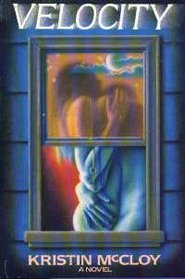
velocityVelocity – Kristin McCloy

Okay this book is really special to me for a variety of reasons. I bought it at The Strand in NYC in 1988 or 89. I don’t remember why I even knew about it except that it was kind of a superstar novel when it came out. I have reread this novel numerous times, but not recently. I actually posted a one line review of the book on Goodreads – more as a place holder than anything else, and recently Ms. McCloy herself thanked me for my “review” – which of course it wasn’t. She also provided her email address and we exchanged a few emails back and forth. I am sure I was totally inarticulate about the book. Being able to chat with the author of a book you love is sort of the literary equivalent of meeting Ryan Gosling who is my celebrity boyfriend.

Velocity is the story of 25-year-old Ellie who returns to her home in the southern States after the death of her mother. Her dad is a local cop and he’s mostly silent in his grief, but Ellie’s grief manifests itself very differently. She pursues Jesse, the biker dude who lives down the road. He’s totally wrong for her and she totally can’t stay away from him. I was, at the time I read this book, of a similar age in a similar relationship and there wasn’t anything about Ellie I couldn’t relate to – except the dead mom. On top of that, the writing is just so beautiful. Never mind spending good money on E.L. James’ Grey (I mean, seriously, do we actually need to hear that story from another p.o.v.?) track down a copy of Velocity. It’s steamy, yes, but it’s also poignant and just so, so damn good. Since this segment aired, I have finished Velocity and I’ll post a proper review asap.

Off the Shelf – The “C” Word

Listen here.

Dave Pilkey, author of the often-challenged Captain Underpants books, made a great little video about censorship:

According to Judith Platt, chair of the Banned Books Week National Committee, “Young Adult books are challenged more frequently than any other type of book.”

The topic of censorship is a tricky one because I have my own personal views which, basically, can be summed up like this: I think people should be able to read whatever in the heck they want…and that includes teenagers. I am a parent and I have teenagers who love to read. My son read Donna Tartt’s The Secret History when he was barely 14. Is there adult content, sure. Could we talk about it – absolutely.

The question that immediately springs to mind for me is: what are we so afraid of that we have to censor reading material? Personally, I believe that people should have access to all sorts of reading material without judgement or interference. That said, you won’t find Fifty Shades of Grey in my classroom library. For obvious reasons. When I am choosing books for my library I try to pick material with literary merit…

The Canadian Organization, Freedom to Read has a comprehensive (and honestly, funny,) timeline of books that have been banned dating back to 259-210 B.C.

It’s amazing what’s on that list – everything from Shakespeare (1788: Shakespeare’s King Lear was banned from the stage until 1820 — in deference to the insanity of the reigning monarch, King George III.) to Beatrix Potter’s Peter Rabbit books (1980s: During its examination of school learning materials, the London County Council in England banned the use of Beatrix Potter’s children’s classics The Tale of Peter Rabbit and Benjamin Bunny from all London schools. The reason: the stories portrayed only “middle-class rabbits.”) And here’s one of my favourites: 1983: Members of the Alabama State Textbook Committee called for the rejection of The Diary of Anne Frank because it was “a real downer.” It was also challenged for offensive references to sexuality.

I thought I’d share with you three YA books that have been banned at one time or another in one place or another and which I think are worth reading:

part time indianOne of the most challenged book in the US is Sherman Alexie’s The Absolutely True Story of a Part-Time Indian

This is a National Book Award winner and I read it a couple years ago. Here’s the funny thing – acclaimed books, award winning books often make the banned books list as well.

This novel is, in part, based on the author’s own experiences growing up. It’s the story of Arnold ‘Junior’ Spirit, a fourteen year old Native American who lives on’ the rez’. He’s got a whole host of physical problems, ten teeth too many and a head that’s too big. He’s picked on a lot and says he’s a member of the “Black Eye of the Month Club.” But he’s funny and smart and it is almost impossible not to fall in love with him.

So, this book has been banned in multiple school districts in the States for being vulgar, making references to masturbation and using inappropriate language. Personally, I didn’t find it objectionable and I often recommend it to boys who aren’t particularly enthusiastic readers because it’s straight – up funny and also because Junior is an aspiring artist, it’s filled with drawings and doodles. I haven’t had a single kid tell me they didn’t like it.

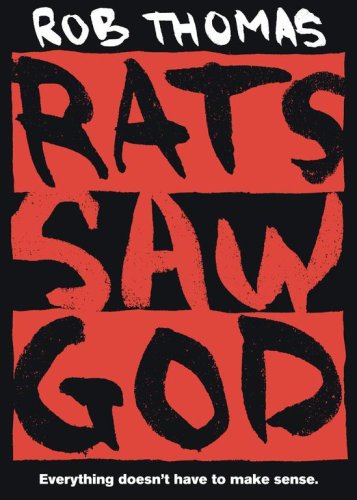
ratsRats Saw God – Rob Thomas (not of Matchbox 20 fame, but of Veronica Mars fame and a former Journalism teacher)

This book is about a high school senior called Steve York who is pretty close to flunking out of school despite the fact that he’s super smart. This book was challenged because Steve smokes drugs, but the book hardly endorses drug use – it’s actually very much a coming of age story a la Catcher in the Rye (another books that has been challenged multiple times.) Anyway, Steve’s guidance counselor gives him one last chance to save his year- he has to write a 100 page paper about…anything…and ultimately Steve uses the writing to work through his issues. Clever book, terrific main character….positive messages for struggling teens.

eleanor and parkEleanor and Park – Rainbow Rowell

So this was Ms. Rowell’s first novel and it caused a huge splash when it was published – partly because John Green wrote a glowing review and partly because it’s awesome – but it’s also been called “dangerously obscene” – which it is certainly not, unless maybe you don’t like 80s new wave music.

Eleanor is an awkward teenager who lives with her mother and step-father (who is a creep) and her younger siblings and Park is half Korean and comes from a stable, loving home and this novel is about friendship and love.

Interesting discussion with some Australian YA writers about banning books

Off the Shelf – LGBT Fiction for Young Adults

Listen here.

May 17 is the International Day Against Homophobia, Transphobia and Biphobia so I thought this was the perfect time to talk about books that feature LGBT (Lesbian, Gay, Bisexual, Transgendered) characters.

First off – I’m no expert so if you are wondering what it all means there’s a great glossary at the UC Davis Resource Centre.

I’ve often talked about how important it is for young readers to recognize themselves in the books that they read, and for that reason it’s obviously important for LGBT characters to have access to books with characters that reflect their own experiences. I don’t know whether those books existed when I was a teen – although that was a million years ago.

I spend a lot of time choosing books for my classroom library. I’d love to have a little bookstore someday, but stocking the shelves in my classroom is almost as much fun. But I digress. When I’m buying books for my class I try to keep in mind all my students – so I have to buy books about hockey and skateboarding and kids from other countries. I have to buy non-fiction.I have to buy easy books and challenging books.  I have to appeal to all my readers and, more importantly, I have to give my kids an opportunity to read books that will expand their worlds. Books have done that for me; I want books to do that for them.

Having the opportunity to read about someone’s journey – regardless of what that journey is – goes a long way to developing understanding, acceptance and the most important human quality – empathy. We seem to be inching our way towards a world of acceptance – lots of positive things happening out there – the straight guy who asked his gay friend to the prom, for example…but the world that I dream of for my own kids is one where people are just people and that kindness extends to everyone and that a story like that is the norm…and therefore, not news, really.

So I have some book suggestions.

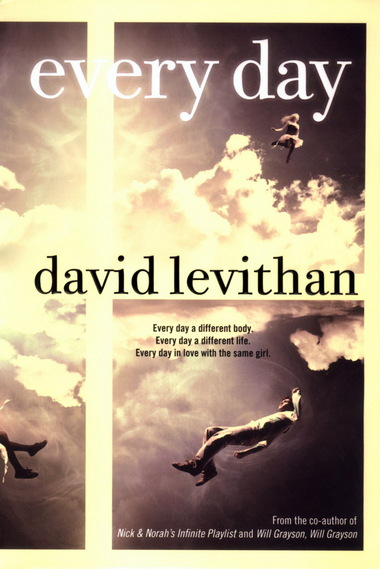
16BLEVITHANEvery Day – David Levithan

So every day the main character ‘A’ wakes up in a different body. He spends 24 hours in that body and he is essentially that person. This is a strange way to live, but it gets even stranger when A falls in love with Rhiannon, the girlfriend of one of his ‘host’ bodies. This book really blurs those gender lines and asks its readers to consider what love is and, more importantly, what it is not. I recommend this book a lot in my classroom.

morethanthisMore Than This – Patrick Ness

So everyone knows I am a huge Ness fan and I loved this book, too. The fact that Seth, the main character in this confounding novel is gay is only incidental, really. The novel starts with Seth drowning and then waking up in a bizarre sort of post-apocalyptic world. More Than This is a page turner, for sure. It’s philosophical and difficult and profoundly moving.

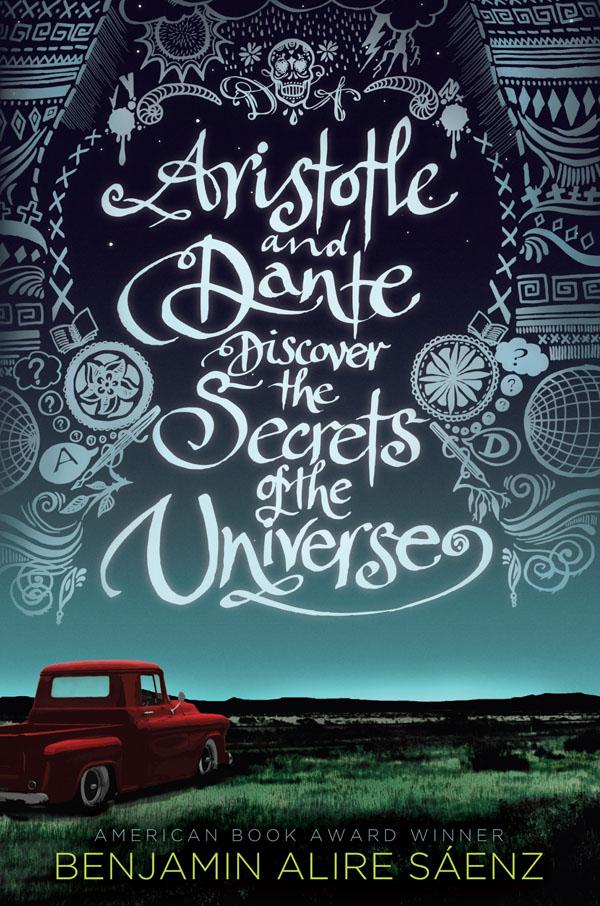
aristotle_and_danteAristotle and Dante Discover the Secrets of the Universe – Bejamin Alire Saenz

I just finished this book and I loved it. Aristotle is a 15 year old Mexican American and lives with his parents in Texas. It’s 1987. He’s angry and sort of depressed, too. He meets Dante at the pool and they become friends when Dante (also Mexican-American) offers to teach Ari to swim. This is a coming-of-age story and a story about family and community and it’s a love story. I may have teared a few times reading it. So good.

Here are some other books featuring LGBT characters and I encourage everyone to expand their reading horizons to mark May 17th, sure, but beyond that – let’s make every day a day of acceptance.

Beautyqueens-670x1024 ifilie luna miseducation totally joeadambeyondloveglobalrainbow

Aristotle and Dante Discover the Secrets of the Universe – Benjamin Alire Sáenz

aristotle_and_dante Aristotle (Ari for short) is a 15-year-old Mexican American living in Texas in 1987. He’s bored and miserable and pretty much hates his life.

Dante is also 15, and also Mexican-American, but he’s “funny and focused and fierce.” Ari says “there wasn’t anything mean about him. I didn’t understand how you could live in a mean world and not have any of that meanness rub off on you. How could a guy live without some meanness?”

Aristotle and Dante meet at the local pool where Dante offers to teach Ari how to swim. “All that summer, we swam and read comics and read books and argued about them.” It’s the beginning of beautiful friendship, something that Ari seems to desperately need.

Feeling sorry for myself was an art. I think a part of me liked doing that. Maybe it had something to do with my birth order. You know, I think that was part of it. I didn’t like the fact that I was a pseudo only child. I didn’t know how else to think of myself. I was an only child without actually being one. That sucked.

Ari has older twin sisters and an older brother who is in prison. He was born after his father returned from serving in Vietnam.

Sometimes I think my father has all these scars. On his heart. In his head. All over. It’s not such an easy thing to be the son of a man who’s been to war.

Aristotle and Dante Discover the Secrets of the Universe is a coming of age story. It’s a story about fathers and sons and mothers and sons. It’s about sacrifice and loyalty. It’s a story about friendship.

I wanted to tell them that I’d never had a friend, not ever, not a real one. Until Dante. I wanted to tell them that I never knew that people like Dante existed in the world, people who looked at the stars, and knew the mysteries of water, and knew enough to know that birds belonged to the heavens and weren’t meant to be shot down from their graceful flights by mean and stupid boys. I wanted to tell them that he had changed my life and that I would never be the same, not ever. And that somehow it felt like it was Dante who had saved my life and not the other way around. I wanted to tell them that he was the first human being aside from my mother who had ever made me want to talk about the things that scared me. I wanted to tell them so many things and yet I didn’t have the words. So I just stupidly repeated myself. “Dante’s my friend.

It’s a love story.

I was the age of these characters somewhere around 1976. I didn’t know anyone who was gay. Okay, looking back – of course I did, but we didn’t talk about it. It wasn’t acknowledged. As far as I know, they weren’t out. I am profoundly grateful as a teacher and a parent, just as a human being, that books like this exist. Alire Sáenz has written a story about boys who are smart and fragile and flawed. I admit it – I got teary a few times reading this book.

What are the secrets of the universe? As Ari discovers “we all fight our own private wars.”

This is a beautiful book and I highly recommend it.

Off the Shelf – March 30

Listen here.

Enough with the sequels already.

So I have decided that I have a pet peeve: sequels. It seems like more and more young adult novels have sequels or are part of a trilogy and it irritates me…and I can’t quite figure out why.

My most recent experience is with a book that I started reading last week called Monument 14 by Emmy Laybourne. It was actually a pretty decent book, if you are into post-apocalyptic fiction – which I am not, btw. So, it’s the story of brothers Dean, who is 16, and Alex, who is 13, and they live in a town called Monument which is about 50 miles outside of Denver. On their way to school, there’s a freak hail storm – only the hail is like pieces of rock. They manage to take refuge in a huge Greenway Superstore and their bus driver tells them to stay put until she can bring back help. There are 14 kids all together – thus the name of the book Monument 14 – ranging in age from 5 – 18. Turns out, the hail storm is actually a byproduct of a volcano, which set off a megatsunami, which caused chemicals to be released from a nearby government facility. Total page turner. In fact I had so much fun reading it, I went out and bought the sequel, Monument 14: Sky on Fire before I was even done the first book. The second book…same as the first, really. Teens in peril because the world isn’t safe anymore. Again, I had fun reading it because, of course, now I am invested in the characters. I want to see how they survive, if they have any chance of being reunited with their parents. But when I got to the end of this book I felt…less excited and more sort of annoyed. The third book is called Monument 14: Savage Drift and I guess I will purchase it eventually, but I am happy to leave Monument behind.

So, this was the impetus for me to think about sequels and why there seems to be so many of them in YA fiction, particularly speculative fiction. I don’t think we can totally blame Suzanne Collins for the recent popularity of trilogies, but here’s where I make a confession. I loved The Hunger Games, but I haven’t read either Catching Fire or Mocking Jay. I did a little digging, and it seems that I am not the only person who is suffering from trilogy or sequel fatigue – okay, not an actual condition, but lots of other avid readers feel the same way I do about trilogies.

In 2013, Publisher’s Weekly was already talking about trilogy fatigue. I think at one time in the not too distant past it was easier to get a book deal if you were selling a trilogy, but publishers aren’t looking for dystopian fiction as much as they are looking for realistic fiction these days…so trilogies, hopefully, will be on the decline. Thank God – because, honestly I can’t keep up.

That said, as a person who spends a good portion of her time trying to encourage students to read – a series isn’t a bad thing to hook a kid. If you can get them to invest in one book, if they like it – then there’s a good chance they’ll stick with the series.

On the other hand, there’s a lot to be said for books that just finish – even if it seems like there might be the potential for more, like Holly Black’s fabulous vampire novel The Coldest Girl in Coldtown, which, sure – she could have carried on. Or Courtney Summers’ This is Not a Test, which I talked about a few weeks ago – totally left itself open to a sequel (and there is an e-sequel which I will never read because the ending of that book was perfect…even though I will have to imagine what happens to those heartbreaking characters)

Still, if series are your thing, here are some worth checking out:

Top of my list Patrick Ness’s Chaos Walking series, three books: The Knife of Never Letting Go, The Ask and the Answer and Monsters of Men. I’ve talked about these books before. I recommend them all the time in my classroom and I’ve had very few complaints.

Ilsa J. Bick’s Ashes series: Ashes, Shadows and Monsters (I’ve only read the first book – see what I mean, I can’t keep up) but students have been regularly checking this series out.

Kelly Creagh’s Nevermore series: Nevermore, Enshadowed and a third book which hasn’t come out yet, I think it’s called Oblivion.

Simone Elkeles’ Perfect Chemistry, not really a series but three different novels about three brothers: Perfect Chemistry, Rules of Attraction, Chain Reaction

Off the Shelf – March 2, 2015

Listen to The Book Blahs: Off the Shelf

Okay, who’s with me that this has been the worst winter EVER? I know I was super cranky the last time I was on Info AM and I got started on Fifty Shades of Grey. What did that book ever do to me, except not entertain me.

Anyway, the weather keeps me inside except when I need the #stormchips and I am forced out of my nest of blankets to go shovel my walk and power through my driveway to get said chips. Winter is a really great time for reading, but I also suffer from a little bit of reader’s fatigue at this time of year. Lack of vitamin D. So I thought I would talk about the reading blahs OR how to shake yourself out of a reading slump. We all have them – all it takes is a couple of bad books and you end up thinking you’re never going to find that book magic again.

Books On The Nightstand has offered up twelve suggestions for breaking a reading slump:

Reread a favorite book: I think this is a terrific idea. I have one book that I read pretty much yearly and it never fails to make me both happy and sad. That book is called Velocity by Kristin McCloy. I bought it at The Strand in NYC in the 80s and it’s very special to me for a lot of reasons.

Switch genres: So if you generally only read one sort of book, perhaps switching genres might shake you out of your book doldrums.  

 Find a book that is hugely popular: I mean there’s a reason everyone and their dog was talking about The DaVinci Code and Gone Girl, right. (Except I can’t recommend The DaVinci Code and I think Gillian Flynn’s book Dark Places is vastly superior to Gone Girl.)

Shop your own shelves: This is an easy task if you’ve got a TBR shelf like mine. Take a look.

IMG_2013

 Don’t read — listen: This wouldn’t be my preferred method of beating the book blahs, but a great site like Audible might just shake things up for you.

 Let someone else tell you what to read: I don’t tend to subscribe to method one myself, except seven times a year when someone in my book club chooses our next read. (Andrew Davidson’s Gargoyle in case you’re interested.)

 Read with a friend: Book clubs!!!

 Go for the quick fix — read some short stories or essays: I read a lot of this sort of thing online as I am always looking for things to share with my students. You want short stories? Try Alice Munro, Stephen King, Raymond Carver.

Try YA: It’s really not just for teens. Honest.

Peruse the Reviews: Check out my reviews, visit Goodreads  or find a blogger you like. Kirkus is pretty handy, too.

Seek out fan fiction: But be warned – fanfiction comes in all shapes and sizes. Some of it is amazing. Much of it is godawful. A lot of it is pornographic. Find a writer you like in a fandom you like and you’ll be a happy reader.

Step away from the books: You know what they say, a rest is as good as a cure. Sometimes a break to catch up on all your shows won’t hurt.

So, I went through a little bit of a reading slump when I read a couple mediocre YA novels in a row…and then BAM…I read an awesome YA book and I think it renewed my faith in the written word again.

The book that wowed me was called

charmCharm & Strange by Stephanie Kuehn

I actually suggested Jeremy Chaisson read this book on a recent visit to Indigo – I absolutely loved it. (Last check, he wasn’t grooving to it, but no matter.) This book is a William C Morris Debut award winner, if you care at all about pedigree. It’s the story of Win, a sixteen-year-old who attends a New England boarding school and who is so bottled up you just know he’s going to explode at any moment. He knows it too; he thinks something even more sinister is happening to him. Win’s story unfolds in the present and also in the past in sections called matter and antimatter. It’s almost relentlessly bleak, but for mature YA readers it is absolutely riveting reading.

testThis is Not a Testby Courtney Summers

Courtney Summers is a Canadian YA writer and this is the second book I’ve read by her and I am now a fan. The first book was Some Girls Are and it was about bullying times 1000, but the book I just finished by her is called This Is Not A Test and man, that was a ride I was not expecting. So Sloane is fifteen and she lives with her father in a little town somewhere in North America. Her older sister, Lily, has recently run away. The reader will figure out pretty quickly that her father is physically abusive and that would be enough for one book, but all it really does is create this impossibly complicated character who then has to survive….the zombie apocalypse. No joke. This Is Not A Test was my first ever zombie novel – I had NO desire to ever read them…I am more of a vampire girl…but this book was SO amazing: suspenseful and heartbreaking and filled with teen angst. So good.

keptinthedarkKept in the Dark by Penny Hancock

Finally, I read a book one stormy Sunday that I couldn’t put down. Not YA, but I thought I’d share it.  There might be some squick involved for some people, but I could not stop turning the pages. The main character is a 40-something woman called Sonia. She’s a voice coach, her husband is a lecturing neurosurgeon and her daughter is away at university. They live in a house by the Thames which her husband wants to sell, but it’s Sonia’s childhood home and she refuses to leave. The teenaged nephew of one of her friends stops by to borrow an album – yes, actual vinyl – and Sonia does something most peculiar: she gets him drunk, drugs him and locks him in her soundproof music room. To the outside world, Sonia is a functioning adult, but clearly not right in the head and the reasons for that are slowly revealed in flashback. Could not put it down, although I understand why it might not be everyone’s cup of tea.

Looking for more recs? Click on the ‘Highly recommended’ tag in the sidebar to look at books I’ve really enjoyed.

Happy reading!

Off the Shelf – February 16, 2015

First of all, I don’t really believe in putting books into categories. I don’t believe in book shaming – that is – judging someone for reading something they enjoy just because it doesn’t fit into someone’s preconceived notion of what a person should be reading. So, for example, adults reading Young Adult lit. I read it because I teach teenagers and in order to do that well, I think I have to be on the same page as them (pun intended.) But I also read it because a lot of it is really good.  I guess categorization is useful for finding books – but I always tell students it’s important to read outside their comfort zones every once and a while.

When I think back to my days as a young reader, it was really before such a thing as “Young Adult” literature. You read kids’ books like Trixie Beldon and Nancy Drew and then you just graduated to the rest of the books. So, when I stopped buying books from the Scholastic book flyer I graduated to Jane Eyre and Wuthering Heights. I can also remember reading my mom’s bodice rippers, books by Rosemary Rogers and Kathleen Woodiwiss. Now, of course, young readers have a lot more choice and one of those choices is New Adult.

New Adult (NA) fiction is a developing genre of fiction with protagonists in the 18–25 age bracket. St. Martin’s Press first coined the term in 2009, when they held a special call for “…fiction similar to YA that can be published and marketed as adult—a sort of an ‘older YA’ or ‘new adult‘.”

So – it’s sort of like the protagonists have graduated high school and gone off to college.

Remember being age 18-25? It is a tricky time in the people’s lives – sometimes juggling new responsibilities and freedom is harder than it looks so some of the tropes in new adult fiction include personal issues like anger-management, family difficulties and expectations, abuse, alcohol and drugs and sometimes the plots are soap-opera-esque. Often the narrative is told in the first person. The other thing people will likely notice in NA fiction is that the romantic scenes are just a tad racier than in YA fic – not of course 50 Shades racier, but still.

<insert rant about how crappy 50 Shades is>

OK – I am not a book snob and I read 50 Shades of Grey and laughed hysterically at all the hype it got as the book that revved up the libido of women all over the planet – 100 million copies, people. But that book has a very peculiar pedigree, right – started as fanfiction based on Twilight. So Anastasia is Bella and Christian is Edward. E.L.James wrote as Snowdragonprincess and posted the story in installments on Twilight fansites. Her fans (yep, fanfiction writers have hoards of fans) encouraged her to change the names and publish it as original fiction. My issue isn’t with the content or even that it started as fanfic – my issue is that it’s just BADLY WRITTEN. Here’s my review of the book.

But I digress

If you are interested in checking out some New Adult fiction, here are a couple titles in the genre.

easyEasy  – By Tammara Webber

So Easy is the story of Jacqueline Wallace, a second-year university student who is leaving a frat party and attacked by someone. She’s rescued in the nick of time by Lucas. He’s a Harley driving, pierced and tattooed artist-type who is also smart and awesome. Although their relationship is not without its problems, these are characters readers will fall in love with and root for. There’s a sequel of sorts for Easy, it’s called Breakable and it’s Lucas’s story. I really liked this book.

tentinybreathsTen Tiny Breaths – by K.A. Tucker

I didn’t like this one as much as I liked Easy. Kacey and her kid sister leave Michigan where they’d been living with their aunt and uncle after the death of their parents in a drunk driving accident. Kacey decided it was time to go after her uncle was getting a little too hands n with her little sister. They arrive in Florida where Kacey gets a job and meets Trent, the hot guy next door who has his own dark past. This one was just sort of ‘meh’ for me.

If you are interested in checking out other NA writers here are some of the names to know: Cora Carmack, Colleen Hoover and Jamie McGuire.

Off the Shelf – January 26, 2015

Listen to Off the Shelf here.

I was recently invited to submit a column to The Nerdy Book Club, a well-known book blog moderated by four teachers, so I thought it would be a great opportunity to talk about classics – because that’s sort of what I wrote about.

The impetus for the discussion was actually a discussion I had with my tenth grade English class after we finished reading Harper Lee’s To Kill a Mockingbird. I love the book, of course, and while the majority of my students could see its merits they also wondered why we were reading something so – as they put it – old. So that lead us to a great discussion of what makes a book a classic.

What makes a book a classic?

First off we had to decide on the criteria we’d use to determine whether or not a book is a classic. In the end, we liked the list of qualities Laura Miller listed in her Salon article “What makes a book a classic?” She actually compiled her list from a Goodreads discussion. So, according to Miller via Goodreads a classic

  • Must have stood the test of time
  • Be filled with eternal verities
  • Capture the essence and flavor of its own age
  • Have had a significant effect on that age
  • Have something important to say
  • Achieve some form of aesthetic near-perfection
  • Be challenging or innovative in some respect
  • Scholars and other experts must endorse it and study it (I guess that leave out 50 Shades of Grey)
  • It has been included in some prestigious series like Penguin Classics or Modern Library
  • It appears on lists of great books

Ultimately, though, our idea of a classic is probably defined by our own personal and highly subjective criteria…meaning, I guess, 50 Shades is back on the list.

So what happened to To Kill a Mockingbird based on this criteria. Well, of course, TKaM totally meets most of that criteria and my students could see that, for sure. Will this list make the book any more palatable for students who don’t necessarily want to read it? Like, is there anything worse than someone telling you you MUST read a book and write an essay? Unless you’re totally geeky like me, probably not, right?

My students wanted a crack at compiling their own list of classics. So, they had to pick a book – any book they’d read – and pitch it to the class. These are books that they really felt should be available for them to read in the classroom. Studied even. I’ve got 25 students in that class, so I’m not going to share all their titles, and truthfully I didn’t agree with all of them, but I will share three.

The Book of Lost Things – John Connolly

So some people might know John Connolly as the author of Charlie Parker mysteries. If you’re already a fan, you can’t go wrong with this book. It’s the story of 12-year-old David who goes on a magical quest to save his mother after she dies. And that’s the simple version. I read this book a couple years ago and I heartily recommend it.

The Art of Racing in the Rain – Garth Stein

Now this is a book I haven’t read, but the student who pitched it, Chloie, totally sold it. Kirkus says the novel “uses a dog as narrator to clever effect in this tear-jerker about an aspiring race-car driver who suffers more woes than Job but never mistreats his dog.” Chloie said she’s read it several times and never gets sick of it, always sees something new in it. I think a book the bears up under repeat readings is pretty solid.

13 Reasons Why – Jay Asher

Now this one I have read and this one I do have some issues with, but what I like about the selection is that it demonstrated how impactful the book was for this student and there was a lot of agreement in the class about the books merits. Will it stand the test of time – or will other books eclipse it. I think probably, but what Asher did do is find a unique and original way to tackle a really difficult subject – teen suicide.

Other titles the students suggested included:

Harry Potter and the Philosopher’s Stone – J.K. Rowling

I Am Malala – Malala Yousafzai, Christina Lamb

Perfect Chemistry – Simone Elkeles

The Book Thief – Marcus Zusak

The Perks of Being a Wallflower – Stephen Chbosky

Freak the Mighty – Rodman Philbrick

The Hobbit – J.R.R. Tolkien

City of Bones – Cassandra Clare

Pawn of Prophecy – David Eddings

Ruby Red – Kerstin Gier

Playing with Fire – Theoren Fleury,  Kirstie McLellan Day

I Hunt Killers – Barry Lyga

The Green Mile – Stephen King

The interesting thing was the some of these books, by their advocate’s admission, did not stand up to Miller’s criteria – but they loved the book anyway. And that’s good enough for me.

Speaking of classics, Huffington Post recently posted a list of the 20 new classics every child should own. These are picture books geared for younger readers.