 A friend once told me that I was the most romantic person they’d ever met. I don’t actually think that’s true. Or, if it used to be true, it’s not true anymore. I think I am cynical about romance now and it’s through that cynical lens I read Nina George’s much lauded novel The Little Paris Bookshop which made me cringe on so, so many levels.
Jean Perdu (and as I was pointing out some of the novel’s cringe-ier moments, my son said “Perdu means lost, mom”) is a “literary apothecary”. Basically, he can find the right book for what ails you. Geesh, I can do that out of my classroom library, but whatever. He lives in Paris and sells books out of a barge docked on the Seine.
One day, a new woman moves into his apartment building. She’s left her husband and has nothing, so the concierge of his building asks if he might have a table to loan her. He does; the problem is that this table is in a room that he blocked off with a wall of books twenty years ago. For reasons.
The delivery of the table sets off a whole chain of events. The woman, Catherine, finds a letter in the table and it is this letter (and Perdu’s sudden and unexpected feelings for Catherine) which set the novel’s main narrative in motion. Because suddenly Perdu knows what happened to Manon (simply called ———-, for the first part of the story because, clearly, it’s too painful for Perdu to even say her name), the LOVE of his life. She disappeared twenty years ago and for twenty years Perdu has been healing others with his books, but not healing himself. (INSERT EYEROLL)
When he gets his first erection of the last twenty years, Perdu has no choice but to RUN AWAY. He hops onto his barge, about to make a clean getaway when suddenly he is joined by Max Jordan, a wunderkind writer who is now suffering from crippling writer’s block. So, the two of them float down the Seine – Perdu in an effort to bury the past and Max just because. Along the way, they pick up one more guy, Cuneo.
The Little Paris Bookshop is a road trip bromance sort of novel filled with pithy observations about the world and set-pieces designed to show these dudes as enlightened beings. The women in the novel are props. Everyone is thoughtful and forgiving and treacly.
I had high hopes for this book. Paris (which I visited for the first time in July 2018), books: what’s not to love? I thought.
Le sigh.
 uncomfortable. It’s the story of her sexual relationship with Peter, a man she met when she was seven and he was – wait for it – fifty-one. In the preface, Fragoso tells readers
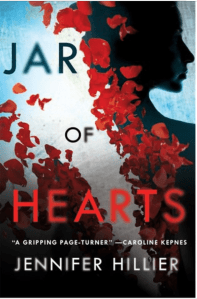 actually a bit surprised that I even picked up Jar of Hearts. I guess I didn’t put two and two together before I forked over my money. I am happy to report that Hillier has redeemed herself a little in my eyes because Jar of Hearts wasn’t nearly as cringeworthy as Creep. In face, I liked it quite a bit until the end.
 It’s probably every parent’s worst nightmare: your child just doesn’t come home one day. That’s the premise of Jane Shemilt’s debut The Daughter.
 seventeen-year-olds, but that doesn’t mean that they’ve given up on living. Their singular voices will likely strike a nerve with many young readers.
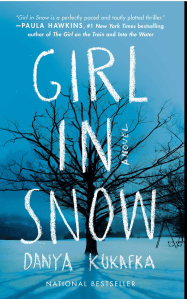 Danya Kukafka’s debut novel, Girl in Snow, earned copious praise from anybody who’s anybody in the book world and it’s easy to see why everyone was hyped up.
 coffee table book Orchestra in My Garden back in the spring, which is when I purchased my copy. But spring is always a busy time at school, and then I went away, and then school started again…you know how it goes. Now that the days are getting darker and colder, I feel like Linda’s book is the perfect antidote. Plus, Orchestra in My Garden would make a fabulous gift for the gardeners, wannabe gardeners and musicians on your list this holiday season.
 The characters in Joanne Proulx’s second novel We All Love the Beautiful Girls are so perfectly imperfect that you can’t help but fall in love with them.
 Eleanor Oliphant, the titular character of Gail Honeyman’s debut novel Eleanor Oliphant is Completely Fine, is not like anyone else you have likely met before. She has worked in the same office for the last nine years, she has no friends and she lives on a diet of vodka and pizza or pasta and pesto. Her life is structured and predictable, right down to her weekly calls from “Mummy.”
 The Ludic Reader