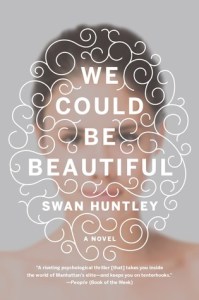
 Catherine West wants a family — which is sort of funny once you get to know her. The narrator of Swan Huntley’s novel We Could Be Beautiful is vain, spoiled, and selfish. It’s hard to imagine she’d ever be selfless enough to have kids. Plus, she’s pushing the biological envelope: Catherine’s 43.
She thinks she has everything it would take to be a mother, but when she categorizes her success, it feels like having a baby would be just one more accessory.
I was rich, I owned a small business, I had a wardrobe I replaced all the time. I was tones enough and pretty enough. I moisturized, I worked out. I looked younger than my age. I had been to all the countries I wanted to see. I collected art and filled my West Village apartment with it. My home was bright and tastefully bare and worthy of a spread in a magazine.
The only problem is that Catherine’s single. She’s had lots of boyfriends (and a girlfriend), and two broken engagements, but now she’s alone. Her most significant relationship is with Dan, the massage therapist who comes to her house to rub her neurosis away.
Then she meets William Stockton, a “stunning, square-jawed man with gentle eyes and elegant gray hair, full and parted to the side.” There’s something familiar about him, and as it turns out William’s parents and Catherine’s parents used to be great friends. Catherine is several years younger than William, so her memories of him are vague.
Almost immediately, Catherine is smitten and too-good-to-be-true William is moving in. On paper, he seems like a great guy (he’s educated, has a good job in banking, he’s charming and attentive), but readers will clue in that there’s something not quite right. Catherine isn’t so swift on the uptake.
We Could Be Beautiful is billed as a thriller, and it certainly reads like one. I mean, you’ll certainly figure out pretty quickly that William is up to something, even if you’re not sure what it is. When Catherine mentions William to her mother, who is suffering from dementia, Mrs. West’s reaction is visceral. Then Catherine finds a box of old ephemera, including a letter from a long-ago nanny which alludes to some event that she hadn’t protected Catherine from.
Probably the more interesting aspect of this book, though, is Catherine’s journey. I found her vapid at the beginning of the book. She doesn’t need to work because her father left her and her sister a pile of money. She owns the West Village house she lives in. She owns a little store called Leaf, which sells — tellingly — beautiful art cards, with nothing printed inside. Her one friend, Susan, is as superficial as she is. She has a strained relationship with her only sibling, Caroline. On the surface it’s a beautiful life, sure, but it’s style over substance. Her relationship with William forces Catherine to do some recalibrating, and that’s interesting to watch.
I enjoyed this book. It’s well-written, the pages turn themselves, and even if it’s less ‘thriller’ and more ‘drama’, it’s still entertaining.
 coastal town in Northern England. The siblings, now in their 50s, have never been especially close, but now that both their parents have died, they have to rely on each other and their relationship is a sort of co-dependent nightmare. There is something very odd going on in their house, a house filled with the bric-a-brac of a childhood spent in some luxury (the Zetlands owned a textile mill), and now the domain of a couple hoarders.




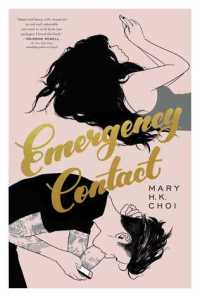 but because Penny has always felt like she’s the parent and her mom’s the kid. Sometimes Penny wanted to “shake Celeste until her fillings came loose.” Now it’s time for Penny to go off to college – University of Texas in Austin, only an hour or so away, but away nonetheless.
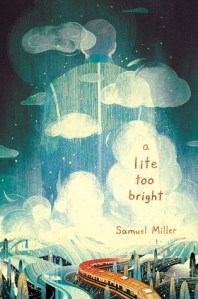 because I loved the cover and it had lots of praise from media outlets, not other YA writers (I never trust those, really). I wish that I had read the novel in one or two sittings because it deserves that kind of attention, but I enjoyed the book anyway.
 I was so excited to get my hands on Tim Johnston’s novel The Current. I gazed longingly at the hardcover every time I went to the book store, but I rarely spring for a hardcover unless they’re on sale. Then one day: paperback. I dropped everything that I was reading to deep dive into it.
 The Ludic Reader