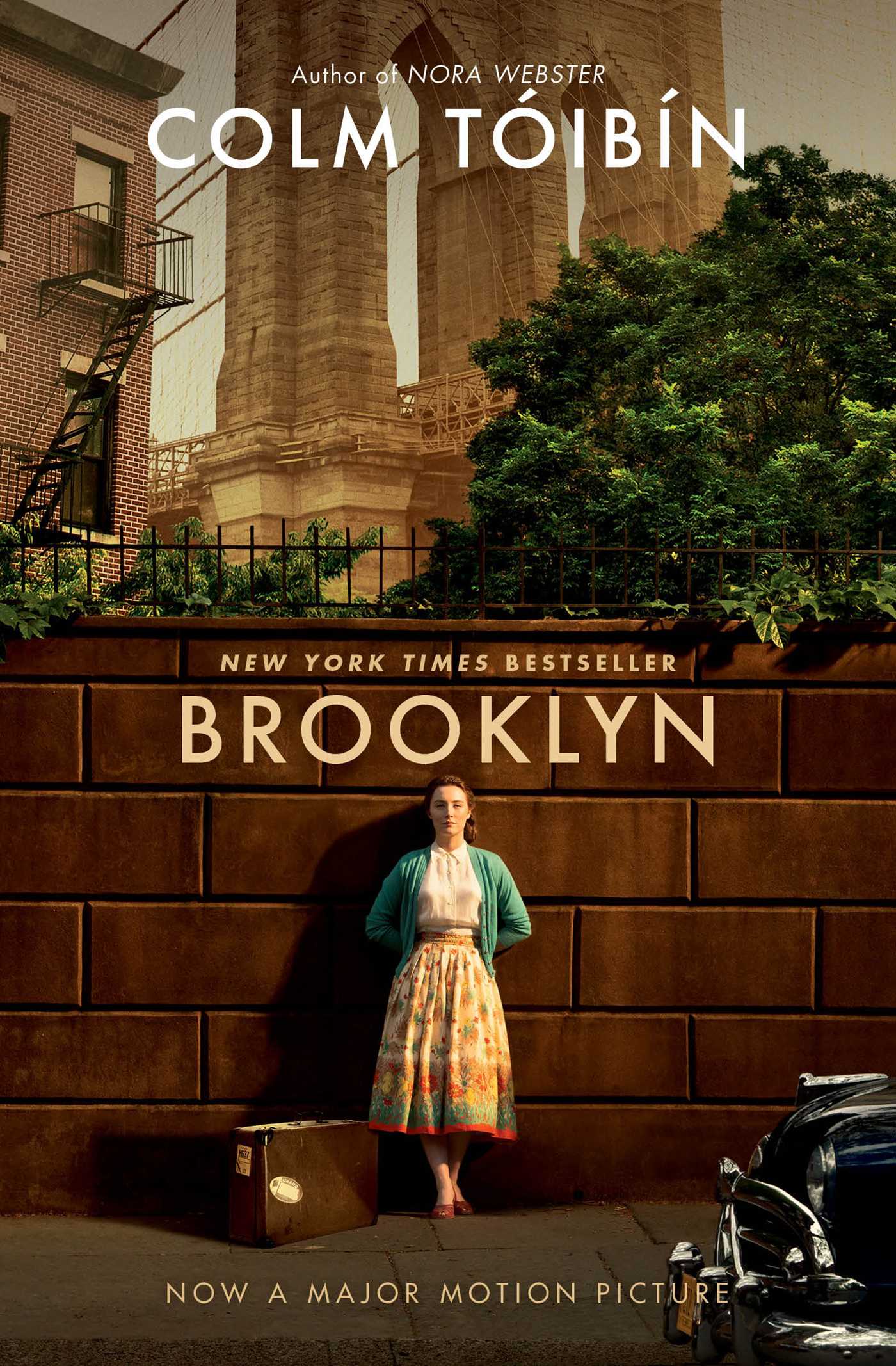
Brooklyn – Colm Tóibín

colmbrooklynMy fabulous book club kicked off 2016 by discussing Colm Tóibín‘s award winning novel Brooklyn. After our Christmas hiatus, we all enjoy getting back together for some yummy food, wine and great conversation.

Tóibín‘s novel, the story of Eilis Lacey’s coming-of-age in 1950’s Ireland and Brooklyn, NY, was a lovely way to start our new reading year, even if we didn’t all agree about the book’s merits.

Eilis is (I think – it’s never explicitly stated) a young woman in her early twenties who lives with her widowed mother and thirty-year-old sister, Rose. Rose is glamorous and independent. Times are tough in Eilis’s little town and so when an old friend of the family, Father Flood, arrives home for a visit from America and suggests he could help Eilis find work there, and perhaps further opportunities to improve her life, it’s decided that she make the journey across the Atlantic to settle in Brooklyn. Eilis’s story is actually quite common for the time period; however, one has to venture a little further back to fully understand the Irish immigration to America.

At Time.com, “Irish-American historian and novelist Peter Quinn explains, “The country wasn’t in the Second World War, it had been kind of cut off from the rest of the world, and it wasn’t part of the Marshall Plan. So it was still a very rural country.” The economy was at a standstill, while the U.S. was booming. Some 50,000 immigrants left Ireland for America in the ’50s, about a quarter of them settling in New York.

Women played an important role in that immigration process. Quinn explains “during the 19th century, the wave of Irish was “the only immigration where there were a majority of women.” And, thanks to a culture that supported nuns and teachers, those women were often able to delay marriage and look for jobs. By the mid 20th century, many Irish women—who also benefited from the ability to speak English—were working in supermarkets, utility companies, restaurants and, like Eilis, department stores. The fact that Eilis finds her job through her priest is also typical. “[The Catholic Church] was an employment agency. It was the great transatlantic organization,” Quinn says. “If you came from Ireland, everything seemed different, but the church didn’t. It was a comfort that way, and it was a connection.””

So here is Eilis, alone in the big city. Whether you like her or not (I’m sort of in the “indifferent” camp), Eilis’s story is certainly compelling. She begins a job at Bartocci’s, a department story run by Italians. Her goal is to make her way through the ranks and end up, hopefully, as a bookkeeper in the office, rather than a shop girl. Father Flood arranges for her to take a bookkeeping course at Brooklyn College. She’s a diligent and conscientious worker.

She lives in a boarding house run by an Irish lady called Mrs. Kehoe. She shares living space with a variety of other young women, some Irish, some American. We learn very little about any of them; Eilis tends to keep to herself.

And there you have it – Eilis in Brooklyn. Oh…then she meets Tony.

Eilis slowly became aware of a young man looking at her. He was smiling warmly, amused at her efforts to learn the dance steps. He was not much taller than she was, but looked strong, with blonde hair and clear blue eyes. He seemed to think there was something funny happening as he swayed to the music.

It’s almost impossible not to like Tony and his family. He courts her and they fall in love, but then personal tragedy strikes and Eilis has to return to Ireland.

Brooklyn does have something to say about the choices we make in life and why we make them – sometimes, it seems, we aren’t really sure; we’re just swept along by the tide. Some readers might be put off with the way ideas/characters/themes are introduced and then dropped without resolution. While it’s true that life often happens in this manner, I might have enjoyed just a teensy more follow-through.

Tóibín‘s prose is straight-forward, unembellished and allows his reader to fill in the gaps. Many readers will likely take issue with the novel’s conclusion, but I liked it – even if I didn’t particularly like Eilis.


Between Shades of Gray – Ruta Sepetys

between-shades-of-grayWe all know about the atrocities of the Holocaust, but until I decided to read Ruta Sepetys’ novel Between Shades of Gray with my grade nine class I knew nothing (shamefully) about what happened in Lithuania during the same time period. During that time Stalin’s Soviet Union invaded the Baltic states of Lithuania, Latvia and Estonia. They rounded up doctors, teachers, musicians, artists and government officials and their families – anyone whom they considered a threat – and shipped them off to work camps. Sepetys’ father was the son of a Lithuanian military officer. He and his family managed to escape to a German refugee camp (the irony is not lost on me). It is the author’s personal connection to this devastating blot on human history that inspired her to tackle telling the story. And what a story it is!

Lina is just fifteen when the NKVD (Russian Secret Police) burst into her home and demand that she, her ten-year-old brother, Jonas, and their mother, pack a suitcase and come with them. It is June 14, 1941 and the world Lina has known – one of art and intellect, of safety and family – is forever shattered. Their father is not home.

The first question I asked my students when we started the book was what they would take if they only had twenty minutes to decide. Lina was getting ready for bed and she remarks “They took me in my nightgown.” What is important when you have no time to think?

I put on my sandals and grabbed two books, hair ribbons and my hairbrush. Where was my sketchbook? I took the writing tablet, the case of pens and pencils and the bundle of rubles off my desk and placed them amongst the heap of items we had thrown into my case.

From the minute Between Shades of Gray starts until the final pages, the reader is living in a world that is almost impossible to comprehend. My students have no frame of reference. Even those who do not live privileged lives have never had to face this kind of terror. As I read the book out loud to my rapt students, I often found myself on the verge of tears imagining the fear, pain and plight of these people who were forced from their homes for no reason. What would I be capable of if I had to protect my family?

Lina’s mother, Elena, is a remarkable character. She is an educated woman who speaks Russian, a handy skill in these circumstances. She does whatever she has to do in an effort to keep her family together, trading items she has sewn into her coat in advance (foreshadowing  the events to come) for food, favour and, in one particularly poignant trade, for the life of her son. Her strength of character, her resiliency (which is mirrored in her children) sustains them all through the long, hard days ahead.

Eventually Lina and her family find themselves at a labour camp in Siberia. I can remember joking about Siberian labour camps as a kid. I didn’t know anything about them; I would have just made a throwaway comment about sending someone to Siberia. Sheer ignorance on my part because the conditions are unimaginable.

It was completely uninhabited, not a single bush or tree, just barren dirt to a shore of endless water. We were surrounded by nothing but polar tundra and the Laptev Sea. The wind whipped. Sand blew into my mouth and stung my eyes.

Worse – they have nowhere to live. The only two buildings are for the Soviets. It’s cold and soon it will be dark 24 hours a day.

I can say this about the book: my students loved it. Although I had promised to read it out loud to them, many read on their own, racing to finish. That’s high praise, especially since many of students would identify themselves as reluctant readers. I had several boys finish way before we did.

Sepetys talks about her novel here and it’s worth watching the video before you read the book. Sepetys talked to survivors and some of their stories find their way into this novel. I wish that the ending hadn’t seemed quite so rushed, but that’s a small niggle and may have something to do with the fact that I wasn’t quite ready to say good bye to these remarkable characters. Overall, Between Shades of Gray is a miracle of a book, a life-affirming novel of resiliency and love and a sober reminder of the terrible things we do to each other.

Highly recommended.

Off the shelf – Books with buzz

Listen here.

There are always books which are hotly anticipated by the reading public. Avid readers know, for example, when their favourite authors will be releasing their next book. Publishers generate a lot of pre-publishing buzz and of course books that win major literary awards also garner extra attention. I think book buying has changed a lot in the forty years I’ve been buying books with my own money. I remember when the Scholastic book flyer was my only real opportunity to purchase books – and then all you had was this teensy picture of the cover and the equivalent of a tweet’s worth of description. When you could actually go into a book store and hold the books, well, that was heaven. I have books on my shelf that literally cost 60 cents. Can you believe that? Social media wasn’t even a twinkle in someone’s eye – so word of mouth or checking out top ten lists was really the only ways to hear which books were hot and which books were not.

goldfinchThen you have to wonder if all books with buzz are created equal. Even books that have won big prizes are often mired in controversy. A huge portion of my summer reading time was taken up with reading Donna Tartt’s Pulitzer Prize winning magnum opus The Goldfinch. That book is close to 800 pages long and, for me at least, was thrilling and infuriating in equal measure. Not everyone agreed that it should have won the Pulitzer. In fact, The Washington Post called it “the disappointing novel that just won a Pulitzer”  Lady Vowell Smith, a professor of literature and book blogger, wondered about the book’s merits in her post “Did the Goldfinch Deserve the Pulitzer?” The UK’s Sunday Times said “”no amount of straining for high-flown uplift can disguise the fact that The Goldfinch is a turkey”. Newsweek’s review said that “The Goldfinch neither sings nor flies.”  Ouch.

I am not much of a follower when it comes to reading, but I have read both of Tartt’s previous novels: The Secret History, which is my favourite and The Little Friend. Plus, my son, Con, read this book and really liked it – so I had to give it a go.

Okay – so what’s this book about?

Theo Decker is thirteen and lives with his mother in New York City. They are on their way to a meeting at Theo’s school when they duck into the Metropolitan Museum of Art to take a look at an exhibit of Dutch paintings, including that of The Goldfinch. Theo’s mom wanders off to the gift shop; Theo is entranced by a girl of about the same age, who is in the museum with her grandfather…and then there’s an explosion and Theo’s life is irrevocably altered. The old man, as he’s dying, encourages – insists – that Theo make off with the painting of the goldfinch and that’s certainly central to the book’s story – but that’s really only a part of it. Tartt wrestles with a lot of themes here: family – both biological and the family you choose, art, beauty, addiction. Theo isn’t necessarily the most likable character, even though lots of bad things happen to him he also makes a lot of poor decisions. This book is chock-a-block with characters – Boris, the friend Theo meets while living in Vegas; Hobie, a furniture restorer, the Barbours, family friends who care for Theo when his mom first dies. A lot of people, lots of stuff happens and it’s up to the reader to decide whether any of it matters. Does it add up to something worthy of praise in the form of the Pulitzer – that is if you think prizes matter at all. It probably mattered to Tartt to the tune of $100,000.

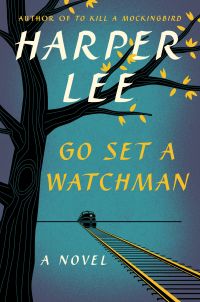
Another book that everyone is talking about is Harper Lee’s Go Set a Watchman. When this manuscript was “discovered” it Watchmanexploded the publishing world – but really: discovered? Everyone knows Harper Lee for To Kill a Mockingbird. Other than Mockingbird she is best known for helping Truman Capote (her childhood friend) with research for his book In Cold Blood. She published a handful of essays – but that’s it. She’s notoriously private and always maintained she’d never publish another book. So, it’s  kinda suspicious that this one turned up after all these years. It’s essentially an early draft of Mockingbird. Lee is 89, lives in assisted care and I think the publication of this book has something to do with the fact that her sister, Alice, sort of her gatekeeper, passed away. There’s an awesome series of articles about the discovery of Watchman and a look back at Mockingbird in The New Republic. The first article, “The Suspicious Story Behind Go Set a Watchman” is particularly interesting for anyone who wants to read the whole story behind the birth of Watchman.

Personally, I’ve resisted buying the book. I love Mockingbird. I’ve read it multiple times. Since I believe I know the story of how Watchman came to be, I’m reluctant to hand over my $30 for a book which has pretty much been panned. And of course it has – it’s unedited because Lee is blind and deaf and perhaps even the teensiest bit senile. The book’s a cash grab. I hate that.

In any case – if you are looking for something to read, something that will guarantee you something to talk about at the water cooler or dinner or with your book club, it’s easy to find those books.

If you are interested in  books that generated buzz, check out some of these titles.

girlontrain

The Girl on the Train – Paula Hawkins

This is this year’s Gone Girl. It’s on my tbr shelf, but I haven’t read it yet. I’m probably just about the last person who hasn’t.

purity

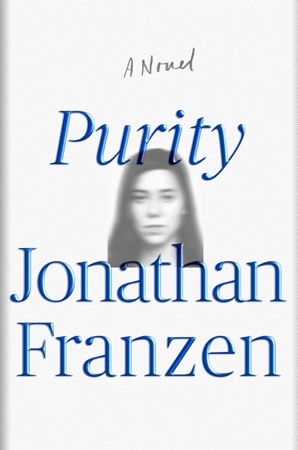
Purity – Jonathan Franzen

Famous for dissing Oprah, there’s no arguing with Franzen’s talent. His newest book hits the shelves Sept. 15.

Euphoria

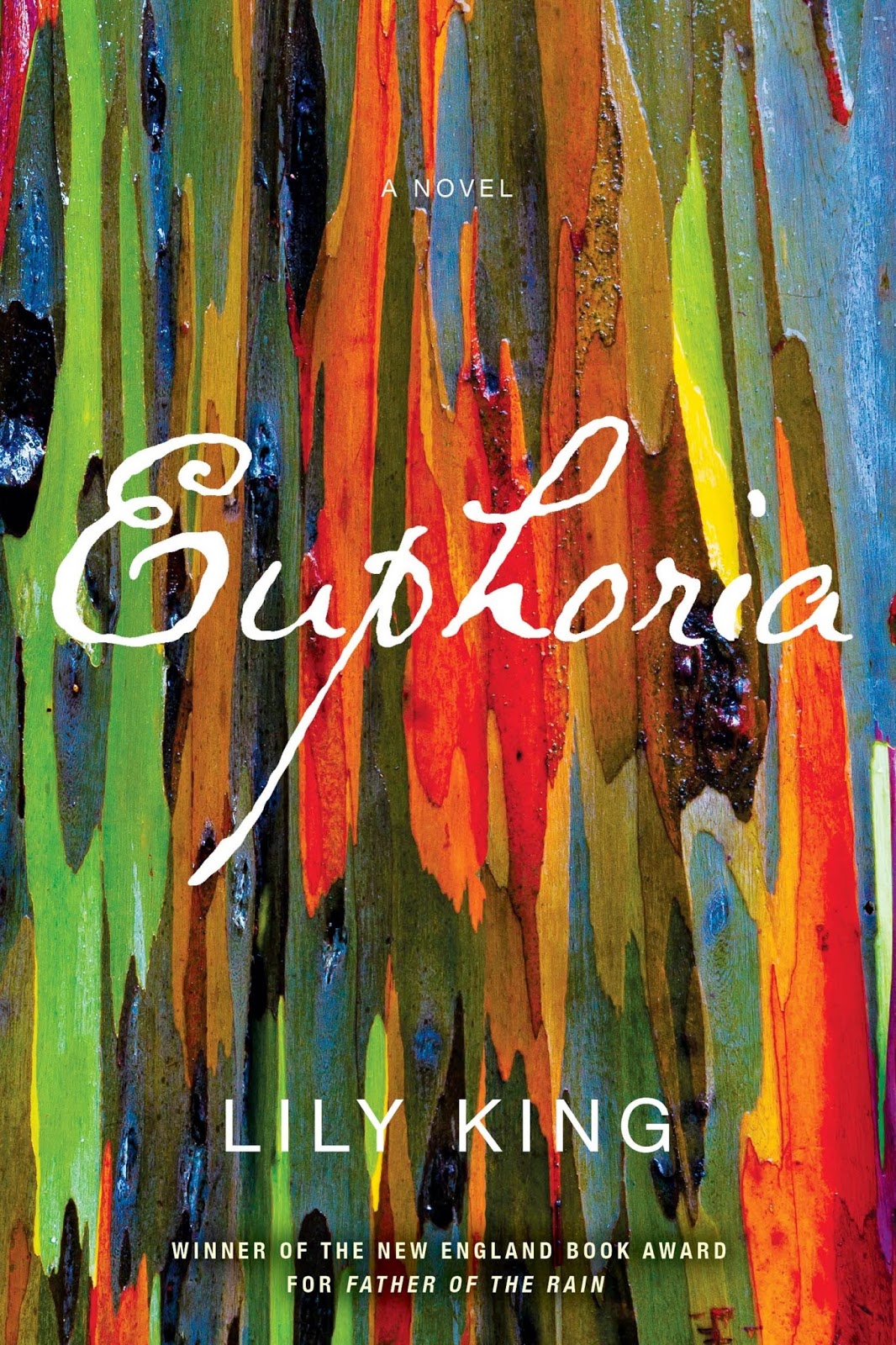
Euphoria – Lily King

Inspired by the life of Margaret Mead and almost universally praised.

troop

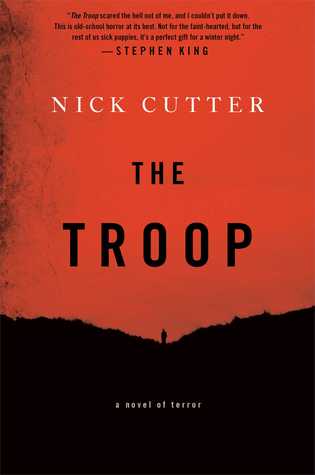
The Troop – Nick Cutter

Unless you love horror novels, you might not have heard of this one…but trust me, everyone was talking about it.

spider

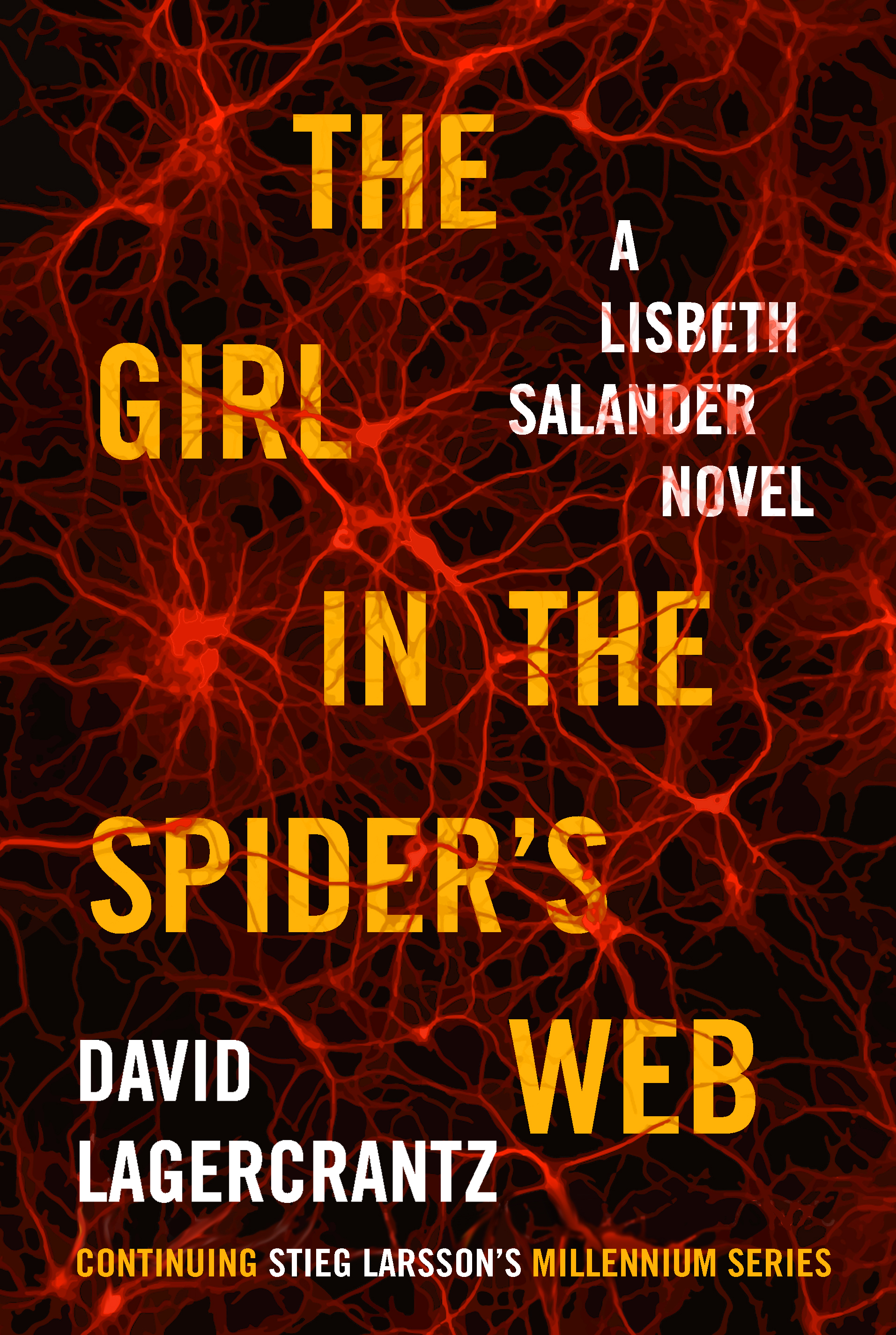
The Girl in the Spider’s Web – David Lagercrantz

Stieg Larsson, the creator of the Millennium series, died of a heart attack in 2004, but that apparently won’t stop Lisbeth Salander, the series’ prickly computer genius. Hotly anticipated and hitting the shelves Sept 1st.

Beautiful Ruins – Jess Walter

ruinsBeautiful Ruins was our last book club read before our summer hiatus. It was also the winner of ‘Best book’ or, because we don’t want to hurt anyone’s feelings when we vote, ‘book we enjoyed reading most.’ (Thus, ‘worst’ book becomes ‘book we enjoyed reading least.’) It was a close race between Beautiful Ruins and The Children Act, but Walter’s fantastic novel won out in the end.

I think I am going to have a hard time articulating how I feel about this book because it hit a lot of my sweet spots. First of all, part of the novel is set in Italy and anyone who knows me knows that Italy is my dream place. I’ve been twice and often say that some day I will live there…even if it’s just for a few months. The other part of the novel takes place in Hollywood and, okay, I admit it – I love the movie stars. Just ask anyone who was around during the David Boreanaz days…or go further back…the Robby Benson days. Ask my students how often I work Ryan Gosling into the conversation.

Beautiful Ruins follows the fortunes of Pasquale Tursi in Porto Vergogna, a tiny village near the Cinque Terre region of Italy only “it was smaller, more remote and not as picturesque.”

Port Vergogna was a tight cluster of a dozen old whitewashed houses, an abandoned chapel, and the town’s only commercial interest – the tiny hotel and café owned by Pasquale’s family – all huddled like a herd of a sleeping goats in a crease in the sheer cliffs.

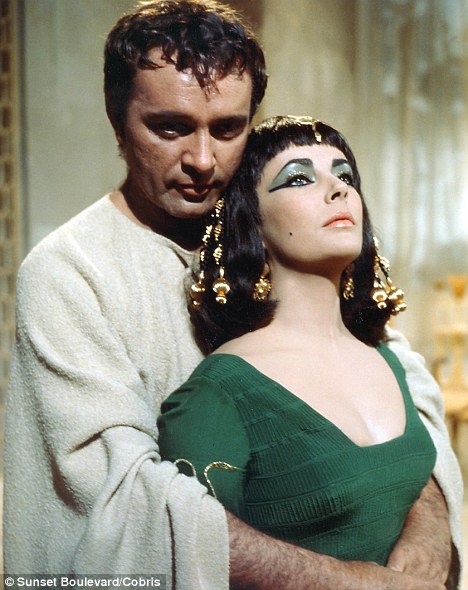
Pasquale has come back to Porto Vergogna to care for his dying mother and the Hotel Adequate View, and it is there he meets actress Dee Moray, who has come, by mistake, to the Adequate View to rest. She is in Italy to make Cleopatra, the notoriously bad film starring Richard Burton and Elizabeth Taylor.

richard and elizabeth

The title’s phony – her job’s all assisting, no developing, and she’s nobody’s chief. She tends Michael’s whims. Answers his calls and e-mails, goes for his sandwiches and coffee.

It is not the life she dreamed of when she gave up her doctoral film studies program to make movies. Now she is on the cusp of leaving her job and going to work as a curator for a private film museum.

If you’re wondering how Walter is going to dovetail these two eras, all I can say is “masterfully.” We flip back to 1960’s Italy and recent-day Hollywood and neither story (or character) gets short-shrift. In fact Claire and Pasquale aren’t the only characters who populate this story – even minor characters are fully realized including Pasquale’s elderly aunt Valeria (who provides comic relief), Shane (a screenwriter who comes to Hollywood to pitch the story of cowboy cannibals), Alvis (the failed American writer who comes to Porto Vergogna once a year to work on his novel) and even Daryl, Claire’s hunky porn-addicted boyfriend. Even Michael Deane, slimy as he is, is fun to spend time with.

And what are these Beautiful Ruins? Well, I think that’s probably the reason everyone and their dog was praising this book when it came out in 2012. This is a great story – funny and heartbreaking in equal measure – about big ideas. The people that you meet and the choices that you make are at the very center of this book. But as Alvis says to Dee, “No one gets to tell you what your life means.”

I loved this book so much.

Highly recommended.

Jacob Have I Loved – Katherine Paterson

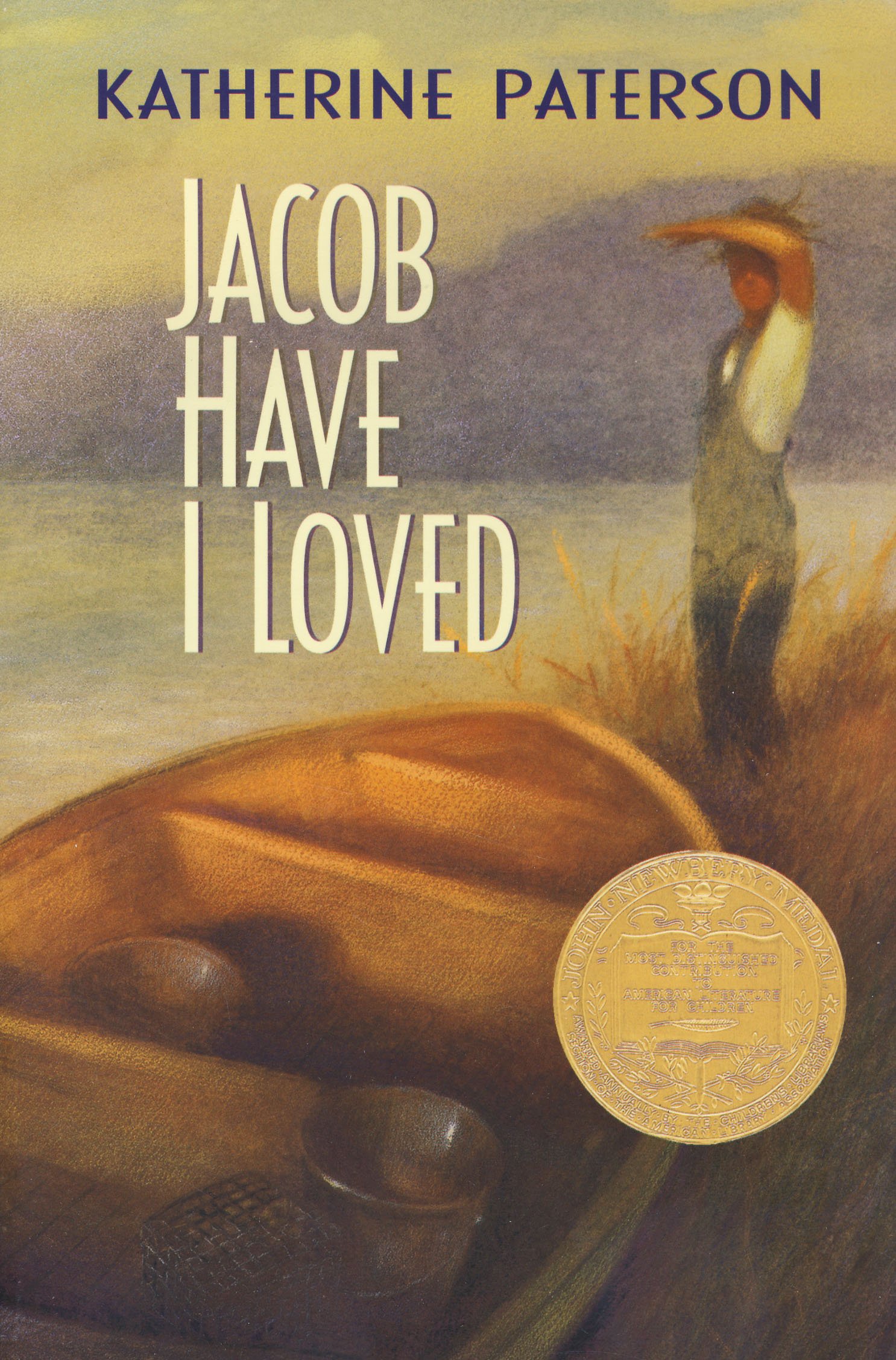
jacobKatherine Peterson’s novel Jacob Have I Loved was a Newberry Medal winner in 1981. Although this book has been on my radar for many years, I was perhaps just a teensy bit too old for it when it was published in 1980, so I didn’t read it then. It is a pretty famous book though, and I figured I should read it. So I did.

The title of the book comes from the bible, Romans 9:13: “As it is written, Jacob have I loved, but Esau have I hated.” The quote refers to the story of siblings Jacob and Esau and the novel tells the story of siblings Sara Louise and her twin sister, Caroline. The girls live on Rass Island, off the coast of Maryland. Their father is a fisherman; their mother a former school teacher. Their crotchety paternal grandmother also lives with them.

Sara Louise, or Wheeze, is the narrator. She is an adult when the novel opens, returning to Rass Island where her mother still lives. “…it is a pure sorrow to me,” she says, “that, once my mother leaves there will be no one left with the name of Bradshaw. But there were only the two of us, my sister, Caroline, and me, and neither of us could stay.”

The bulk of the story takes place in 1941 and the years that follow. Wheeze, 13, and her best friend, Call, 14, spend their days hunting for crabs. Their little island is isolated and days there are marked by routine – fisherman out on the water early and home late, school and church, the occasional ferry trip to the mainland. Paterson deftly creates a world that will be – for most of its young readers –  a place long ago and far away.

While readers may not recognize the time or place, they will most definitely recognize the friction between Wheeze and her sister, the beautiful and musically talented, Caroline. A sickly baby, Wheeze feels that Caroline has been coddled all her life and that in “the story of my sister’s life…I… was allowed a very minor role.”

There is a rare snapshot of the two of us sitting on the front stoop the summer we were a year and a half old. Caroline is tiny and exquisite, her blonde curls framing a face that is glowing with laughter, her arms outstretched to whoever is taking the picture. I am hunched there like a fat dark shadow, my eyes cut sideways toward Caroline, thumb in my mouth…

Wheeze is resentful and jealous, even though Caroline never really seems to give her any reason to be. It’s one of the lovely things about this book, which is remarkable in its stillness. Wheeze isn’t particularly likable, but you grow to love her just the same.

Jacob Have I Loved is without the bells and whistles that marks much of the YA fiction out there today. I would suggest that this is a book better suited to middle school readers, but I think anyone who has ever shared close quarters with a sibling would enjoy this story.

Aristotle and Dante Discover the Secrets of the Universe – Benjamin Alire Sáenz

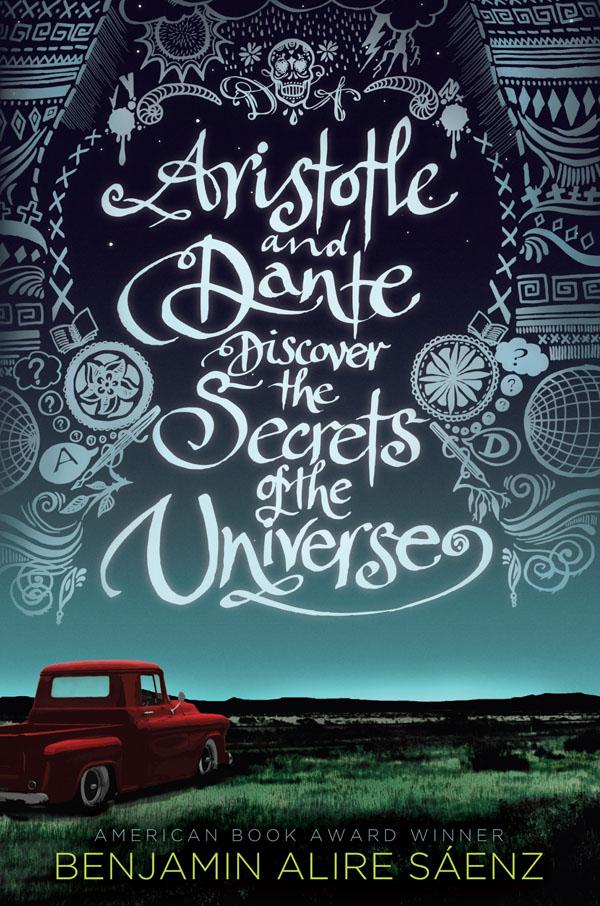
aristotle_and_dante Aristotle (Ari for short) is a 15-year-old Mexican American living in Texas in 1987. He’s bored and miserable and pretty much hates his life.

Dante is also 15, and also Mexican-American, but he’s “funny and focused and fierce.” Ari says “there wasn’t anything mean about him. I didn’t understand how you could live in a mean world and not have any of that meanness rub off on you. How could a guy live without some meanness?”

Aristotle and Dante meet at the local pool where Dante offers to teach Ari how to swim. “All that summer, we swam and read comics and read books and argued about them.” It’s the beginning of beautiful friendship, something that Ari seems to desperately need.

Feeling sorry for myself was an art. I think a part of me liked doing that. Maybe it had something to do with my birth order. You know, I think that was part of it. I didn’t like the fact that I was a pseudo only child. I didn’t know how else to think of myself. I was an only child without actually being one. That sucked.

Ari has older twin sisters and an older brother who is in prison. He was born after his father returned from serving in Vietnam.

Sometimes I think my father has all these scars. On his heart. In his head. All over. It’s not such an easy thing to be the son of a man who’s been to war.

Aristotle and Dante Discover the Secrets of the Universe is a coming of age story. It’s a story about fathers and sons and mothers and sons. It’s about sacrifice and loyalty. It’s a story about friendship.

I wanted to tell them that I’d never had a friend, not ever, not a real one. Until Dante. I wanted to tell them that I never knew that people like Dante existed in the world, people who looked at the stars, and knew the mysteries of water, and knew enough to know that birds belonged to the heavens and weren’t meant to be shot down from their graceful flights by mean and stupid boys. I wanted to tell them that he had changed my life and that I would never be the same, not ever. And that somehow it felt like it was Dante who had saved my life and not the other way around. I wanted to tell them that he was the first human being aside from my mother who had ever made me want to talk about the things that scared me. I wanted to tell them so many things and yet I didn’t have the words. So I just stupidly repeated myself. “Dante’s my friend.

It’s a love story.

I was the age of these characters somewhere around 1976. I didn’t know anyone who was gay. Okay, looking back – of course I did, but we didn’t talk about it. It wasn’t acknowledged. As far as I know, they weren’t out. I am profoundly grateful as a teacher and a parent, just as a human being, that books like this exist. Alire Sáenz has written a story about boys who are smart and fragile and flawed. I admit it – I got teary a few times reading this book.

What are the secrets of the universe? As Ari discovers “we all fight our own private wars.”

This is a beautiful book and I highly recommend it.

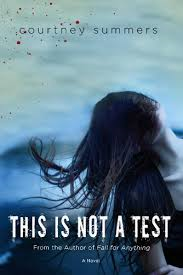
This Is Not A Test – Courtney Summers

testThis is my second book by Canadian YA writer Courtney Summers and, that’s it:  I am a fan. I previously read Some Girls Are and I was totally taken with its unflinching look at what it is to be a teenage girl. It isn’t pretty, people.

This Is Not A Test has won a slew of awards including being named a  2014 OLA White Pine Honour Book, 2013 ALA/YALSA Top Ten Quick Pick for Reluctant Readers, 2013 ALA/YALSA Best Fiction for Young Adults, and  a  Kirkus New & Notable Books for Teens: June 2012. Trust me, the book delivers on every possible level.

Sloane lives in with her father  in Cortege. Her older sister, Lily, has left home and taken a piece of Sloane with her. It won’t take the reader very long to figure out that Sloane’s father is abusive. She tells us he burns the toast because she deserves it and when he reaches out to examine her face, Sloane flinches before she can catch herself. It’s no wonder that Lily has left, but the plan was that they were supposed to go together.

Based on the first couple of pages, it would be reasonable  to think that This Is Not A Test is a story about abuse, but you’d be so wrong. As Sloane is contemplating the burnt toast and the note her father has written to explain her absence from school, their front door starts to “rattle and shake.”  Someone is screaming for help and it is such a creepy event that as Sloane’s father heads to the door to investigate Sloane notes that he hesitates and she has “never seen him hesitate” in her life.

When Sloane’s father returns to the kitchen he’s screaming that they have to leave and he’s covered in blood. And then all hell breaks loose, literally.

Seven days later Sloane finds herself barricaded in Cortege High School with five other students: student body president, Grace, and her twin brother, Trace; Rhys, a senior;  some-time drug dealer and some-time boyfriend to her sister Lily, Cary and Harrison, a freshman who can’t seem to stop crying. The high school offers the six teens sanctuary while they wait for the help the feel sure will come. Unfortunately, the only announcement on the radio proclaims that “This is not a test.”

As the days drone on, Sloane and the rest of the trapped teens struggle to stay calm. They jockey for position, alliances are formed and they wonder what has happened to the rest of the world. It all makes for a riveting psychological drama because Summers has an ear for how teens speak and she doesn’t shy away from the fact that this scenario is relentlessly grim. It’s the end of the world as we know it. Except for the feeling fine part.

Sloane narrates this story and she is a sympathetic character. Even if she could get back home, what does she have to return to? No one knows about the abuse she suffered and without Lily she feels as though she has very little to live for. Thus, she has nothing to lose.

This Is Not A Test is my very first zombie novel. I’ve pretty much avoided them until now because, truthfully, they don’t really interest me all that much. If they were all as good as this one, though, I’d be a fan.

Apparently there is an e-sequel available, but truthfully, I thought the ending to This Is Not A Test was pretty damn perfect.

Highly recommended.

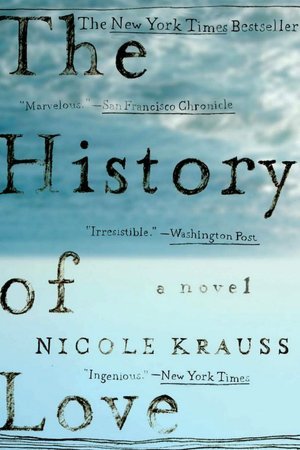
The History of Love – Nicole Krauss

historyWhen Nicole Krauss’s novel The History of Love was published in 2005 it took the literary world by storm (though not like the storm that is raging outside as I write this, cozy in bed with my cat and my tea.) Everyone loved this book: The New York Times, The Guardian, The Globe and Mail. It was also the winner of the Edward Lewis Wallant Award for Jewish fiction and BMOC’s Best Literary Fiction. The book has been on my tbr shelf forever (emphasis on the ‘ever’) and so I chose it as my pick for book club.

The History of Love is the title of the book Leo Gursky wrote for the love of his life, Alma. Alma flees Poland just before the invasion of the Nazis and when Leo finally makes his way to America, he discovers that not only does he have a son, but that Alma has married someone else.

…he stood in her living room listening to all this. He was twenty-five years old. He had changed so much since he last saw her and now part of him wanted to laugh a hard, cold laugh….She said: You stopped writing. I thought you were dead. …At last he managed three words: Come with me….Three times he asked her. She shook her head. I can’t, she said. And so he did the hardest thing he had ever done in his life: he picked up his hat and walked away.

Now Leo is at the end of his life. “When they write my obituary,” he says, “it will say LEO GURSKY IS SURVIVED BY AN APARTMENT FULL OF SHIT.” Leo just wants to be seen. “Sometimes when I’m out, I’ll buy a juice even though I’m not thirsty. If the store is crowded I’ll even go so far as dropping my change all over the floor,” he says. His voice, one part resigned, one part hopeful is one of the novel’s greatest charms.

The other charming voice belongs to fifteen-year-old Alma – not the love of Leo’s life, but that of a teenager who lives in Brooklyn, with her widowed mother (who works as a translator) and younger brother, Bird. Her name is no coincidence: she was actually named after the character in Leo’s book The History of Love. This is where things get a bit complicated and I’m not going to bother drawing the chart required to understand it all – trust me, it’ll all sort itself out.

Alma is on a mission to find her mother a boyfriend. Her father died of pancreatic cancer when Alma was just seven and Alma feels as though her mother has been sad ever since. Alma is trying to navigate adolescence, her mother’s sadness, the fact that her brother thinks he’s the Messiah and her first love, too. Then (and I’m going to say it, girls!) by a weird twist of fate, The History of Love arrives for Alma’s mother to translate and the threads of Alma and Leo’s stories start to reach towards each other.

I really enjoyed The History of Love. There were some moments in the book that literally stopped me in my tracks. For example, Leo says: “All the times I have suddenly realized that my parents are dead, even now, it still surprises me, to exist in the world while that which made me has ceased to exist.” Those of us who have lost our parents will recognize that feeling (although perhaps never articulated) all too well.

This is one of those books, I think, which needs some time to sit in your belly. It is a book about connection – lovers, siblings, friends, parent and child. Leo, at the end of his life (which some might argue he wasted by loving someone he couldn’t have and not pursuing a relationship with his son) has all the insights of a person who has made errors in judgment, but is somehow still open to the world. Ultimately, The History of Love is about the desire we all have to be seen and understood and often the smallest gesture can have the biggest impact.

Highly recommended.

Charm & Strange – Stephanie Kuehn

charmWow. This William C. Morris Debut Award winner has it all. Charm & Strange, the first novel by Stephanie Kuehn, is amazing. I read a lot of YA fiction and this book is just a cut above. Way above.

Win has attended a boarding school in New England since he was twelve. A top-ranked tennis player, Win once hit an opponent across the face with his tennis racket.

He’s a lot of things. He is prone to motion sickness. He’s cold. Dangerous. Broken.

Into his life comes Jordan. She’s the new girl and she doesn’t know anything about Win and that’s pretty much the way he wants to keep it. They meet in the woods. Win has just been attacked by a couple of school bullies and Jordan has witnessed the whole thing. She asks why he didn’t fight back. Win never fights back because “That wouldn’t be fair.”

Their relationship is tentative because Win tends to stay away from people. His only other ‘friend’  is Lex, his former roommate, but even their relationship is strained.

Charm & Strange is a compelling story about dark secrets and how they can twist lives. Kuehn skillfully pulls the reader along a path that is almost too painful to read about, but she does it so well that you just can’t stop turning the pages. The novel is layered: Sixteen-year-old Win at school is told in first person sections called ‘matter’ and ten-year-old  Drew at home with his family (first person narrative in sections called ‘antimatter’). Win and Drew are the same person, and the reason for the name change will be revealed in due course. Win’s family: professor father, depressed shadow of a mother, older brother, Keith, and younger sister, Siobhan, are important characters is Win’s story.

This novel is so cleverly constructed; every page offers just a little more of Win’s story. Win is convinced he is about to change and not in a good way.

Change is imminent.

It has to be.

“Yeah, well, have fun with that,” Lex says. “Moon or no moon, I don’t plan on being anywhere near you.”

“Good,” I snarl, and he laughs even harder than before. My hands curl into fists. I want to shut him up.

Lex notices and skitters toward the door.

“Hey, Win,” he says as he leaves, “maybe it’s your head that’s broken, not your body. Ever think about that?”

Charm & Strange is a terrific book. I am having a hard time articulating how amazing it is. It is almost relentlessly bleak and yet as I closed the final pages I felt confident that despite Win’s dark past, the beast within would be tamed. For mature YA readers, Charm & Strange is one of the best of the bunch.

Highly recommended.

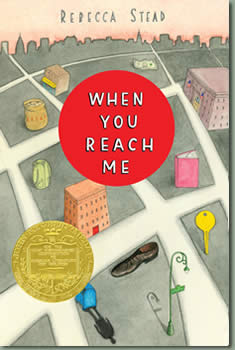
When You Reach Me – Rebecca Stead

book-whenyoureachmeRebecca Stead’s Newberry Award winning novel, When You Reach Me, is a puzzle of a book. And I should note that the Newberry isn’t the only prize this book received – there’s a list of twenty other prizes and distinctions this book has received. This book has some serious pedigree. It’s a middle grade book, but I’m telling you – those middle grade kids better be on their toes because this book is a puzzle.

Twelve-year-old Miranda lives in a New York City apartment with her legal secretary mom. Sometimes her mom’s boyfriend, Richard, is there. That’s okay because “Richard looks the way I picture guys on sailboats – tall, blonde and very tucked-in, even on weekends.”

Miranda’s best friend, Sal, lives one floor below Miranda. For as long as Miranda can remember it’s been Sal and Miranda, Miranda and Sal. Until it wasn’t.

It happened in the fall, when Sal and I still walked home from school together every single day: one block from West End Avenue to Broadway, one block from Broadway to Amsterdam, past the laughing man on our corner, and then half a block to our lobby door.

Miranda has been receiving mysterious notes, notes that seem to predict the future. The notes seem to know an awful lot about Miranda and her life. And then the spare key to the apartment goes missing. And while all this is happening Miranda has to manage her estranged relationship with Sal and all the other pre-teen drama a twelve-year-old must face.

When You Reach Me is a delightful hybrid. It’s one part coming-of-age novel, one part science fiction, one part homage to Madeline L’Engle’s A Wrinkle in Time and all parts fabulous.