 In Jolene Perry’s novel Stronger Than You Know, fifteen-year-old Joy Neilsons has come to live with her aunt and uncle after having been removed from the trailer home she was living in with her mother. The Child Services Summary Report indicates that she wasn’t allowed out of the 750 sq. ft. mobile home, did not attend school and was dehydrated and malnourished when authorities removed her.
Turns out, not having enough to eat or drink was the least of Joy’s problems, and although Perry wisely spares us the graphic details of Joy’s abuse, readers will easily be able to fill in the horrific blanks.
Stronger Than You Know is the story of Joy’s recovery which, as you can imagine, is not without its setbacks. For one thing, Joy hasn’t been properly socialized, so dealing with large groups of people is problematic. Imagine going to school — high school, at that — for the first time. For another thing, Joy distrusts men, making it difficult for her to be around her uncle, Rob, and her cousin, Trent. Trent’s twin sister, Tara, is a little easier to cope with, but Joy is still distrustful of this new life she’s been given, a life she knows she doesn’t belong in. Aunt Nicole offers safety and comfort, but the PTSD Joy is experiencing is palpable.
She measures her recovery by listing her accomplishments:
- Went to school.
- Ate in the cafeteria.
- Answered a teacher’s question.
- Ate a few bites of dinner with the family in the dining room.
All the people in Joy’s new life, even Trent, who initially seems like an asshat (and one could make the argument that he turns the corner with a little too much ease), are warm and loving humans. The boy she meets on the walk to school is patient and understanding when Joy acts peculiarly. Her Uncle Rob is super protective because he’s had some personal experience with trauma. If any characters are under-developed it’s because they are the villains of the piece and it’s easy enough for smart readers to fill in those blanks.
Overall, Stronger Than You Know will speak to any young reader who has had to overcome horrific circumstances in the hopes for a better life. As Joy learns, a better life is waiting.
 Who doesn’t love a good scare? Not Ivy Jensen. That’s not her fault, though. When she was 12, someone broke into her house and slaughtered her parents. In her recurring nightmare about that horrible night, Ivy wakes “with a gasp, covered in [her] own blood. It’s everywhere. Soaking into the bed covers, splattered against the wall, running through the cracks in the hardwood floor, and dripping over [her] fingers and hands.”
 Seventeen-year-old Alice is a patient at Savage Isle, an institute for adolescents with mental health problems. She’s recovering after a devastating fire, set by her twin Cellie, killed her boyfriend, Jason.
 Sometimes you happen upon a book with a narrator who just feels 100% authentic. That was the case with Henry Turner’s debut YA mystery Ask the Dark, a finalist for the Edgar Award for Best Young Adult Mystery.
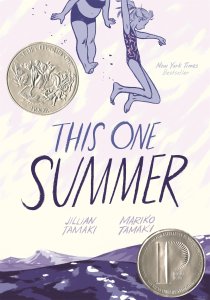 This One Summer by cousins Mariko and Jillian Tamaki is a Governor General’s Literary Award winner in addition to being on several Best Of…lists. I can’t claim any real expertise when it comes to graphic novels, so I don’t really know what the criteria might be for determining what makes a graphic novel superior to others. Like everyone of my generation, I used to be a big fan of Archie and horror comics, but it’s only since I returned to the classroom that I have made it a point to read graphic novels – mostly because I do have students who enjoy them and I want to be sure that I include them in my classroom library.
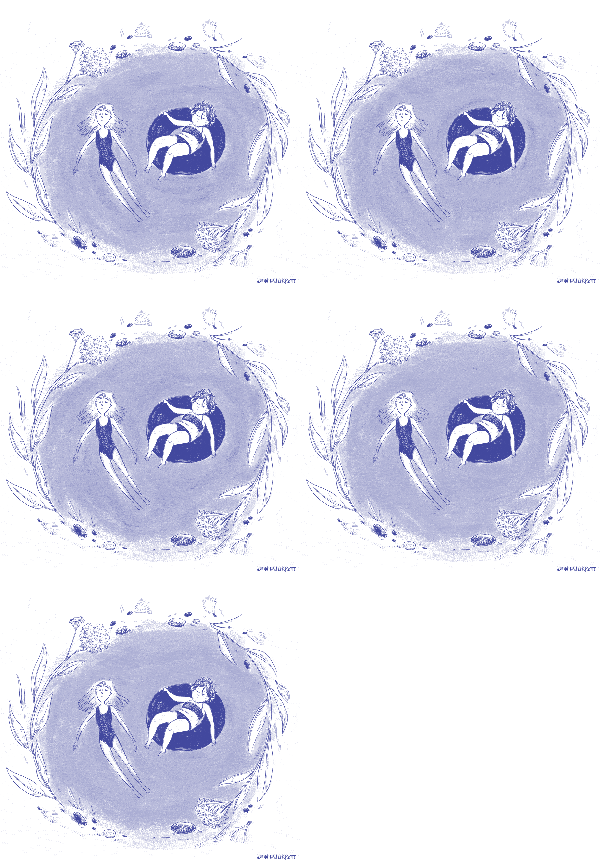 It’s clear, though, that the one and a half year difference between the girls is impactful this year. Rose, the elder, is contemplative and watchful and often reacts to Windy’s suggestions with a shrug and a “maybe.” At Brewster’s “the only store in all of Awago” the girls buy penny candy, rent horror movies and watch (Windy with girlish disgust and Rose with curious fascination) the overtly sexual relationship between older teens Dunc and Jenny.
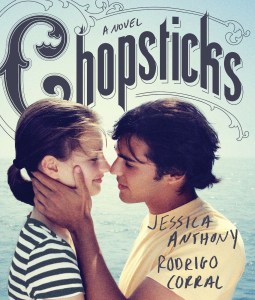 Sixteen-year-old Glory Fleming is a piano prodigy. When Jessica Anthony and Rodrigo Corral’s hybrid novel – more about that in a moment – opens, Glory is missing. Then the story flashes back eighteen months to help us understand how her life has gone off the rails.
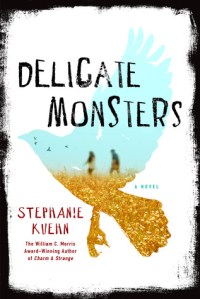 Monsters are hard to spend time with. From the moment we meet Sadie, and Emerson and his brother, Miles, we embark on a journey that is both awful and strangely – redemptive. In any case, these train-wreck teens are hard to look away from.
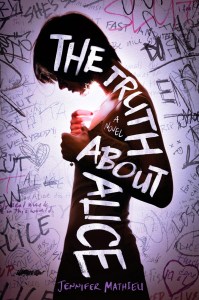 The truth we probably don’t want to acknowledge is that high school is hell for loads of kids. I teach high school and even though I would like to think that my school is perfect and inclusive and bully-free, I know that isn’t actually the case. I suspect Jennifer Mathieu knows that, too. She is also a teacher, which is why her novel The Truth About Alice rings true on so many levels.
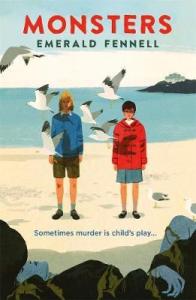 What would you get if you mixed Enid Blyton with Stephen King? I think you’d probably get Monsters by Emerald Fennell.
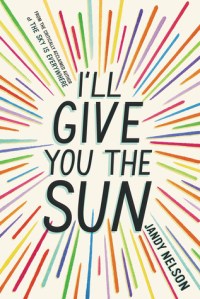 That’s almost-fourteen-year-old Noah, one of the twins who narrates Jandy Nelson’s remarkable YA novel I’ll Give You the Sun. Alternating between Noah and his sister, Jude, who tells her part of the story at age sixteen, the novel traces the siblings’ journey from innocence to experience.
 The Ludic Reader