
If you’re at all familiar with Gypsy Rose and Dee Dee Blanchard, then you’ll settle right into Stephanie Wrobel’s novel Darling Rose Gold. In this story, told in alternating voices, Patty and Rose Gold are reunited after Patty’s five year prison term. She was incarcerated for aggravated child abuse. Patty denies the allegations.
Once upon a time, they said, a wicked mother gave birth to a daughter. The daughter appeared to be very sick and had all sorts of things wrong with her. She had a feeding tube, her hair fell out in clumps, and she was so weak, she needed a wheelchair to get around. For eighteen years, no doctor could figure out what was wrong with her.
The novel begins on the day Patty is released from prison. She is hopeful that she and her daughter will be able to repair their relationship. She wonders, “if I spent almost two decades abusing my daughter, why did she offer to pick me up today.”
Rose Gold is 18 when her mother is convicted and her narrative focuses on the past, specifically the period of time that her mother is in prison. She is making a valiant effort to reclaim her life. She is working and trying to save money to get her teeth fixed; they have rotted from years of throwing up. Five years later, when Patty is released, Rose Gold is living in the house she has purchased and raising her infant son, Adam, solo.
When mother and daughter are reunited, things are tense and strange. Neither narrator is particularly reliable or sympathetic. Patty is given a room with eyes painted on the ceiling; Rose Gold keeps her bedroom locked. The people in their small town make it clear that Patty is not welcome. She is friendless and dependent on her daughter. As she watches her grandson, she reminisces about Rose Gold’s childhood.
When I brought Rose Gold home that first night, I was captivated. Give me another kid to watch sleep, and I’ll tell you I’d rather watch a couple of geezers golf eighteen holes. But when it’s your own kid? Ask any mother. They know.
Darling Rose Gold landed on all sorts of Best Of lists when it came out in 2020, but I would have to say that my reading experience was nothing special. I didn’t particularly like the way it was written; I felt as though I was being told everything. This is a game of cat and mouse except that both characters are rats.
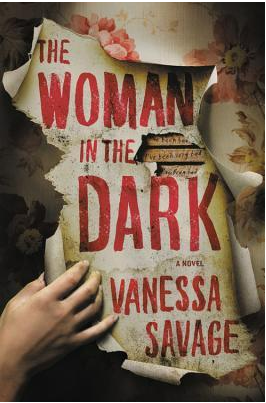

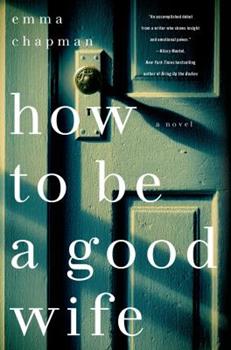
 The current flavour-of-the-month in book stores these days seems to be duplicitous nannies or wives, unreliable narrators of all stripes, characters and plots that simply can’t be trusted. In my experience, books like this come with varying degrees of pedigree. But then there’s Lisa Jewell.
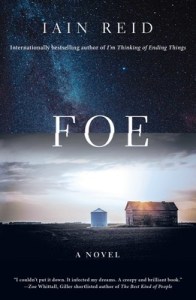 Foe is my second novel by Canadian writer Iain Reid. I read
  thriller
  compelling novel The Boy Who Drew Monsters. I mean, sure, I could follow the story’s claustrophobic narrative, but at the end of the day I was still shaking my head and going WTF.
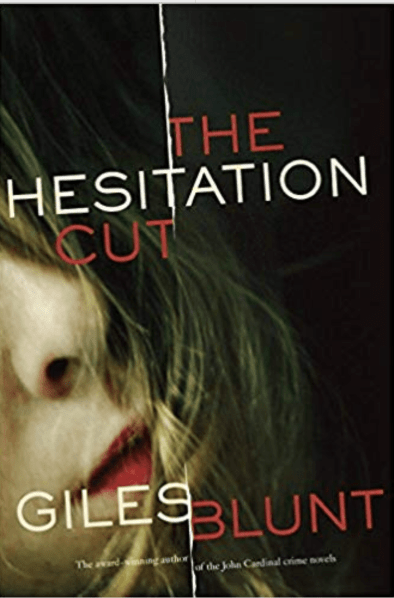 perhaps most famous for his crime novels which feature Detective John Cardinal. (I have watched a couple of those novels brought to the small screen and have found them super intense; I can only imagine what the reading experience would be like.)
 Grace Sachs, the protagonist in Jean Hanff Korelitz’s compelling domestic thriller You Should Have Known, is an outspoken marriage counsellor who believes that women know from the very beginning if their partners are duds.
 The Ludic Reader