In the way that the monsters and demons in Buffy the Vampire Slayer are a metaphor for the horrors of high school, Grady Hendrix’s page-turner My Best Friend’s Exorcism works on a both a figurative and literal level. Or, at least, it did for me.
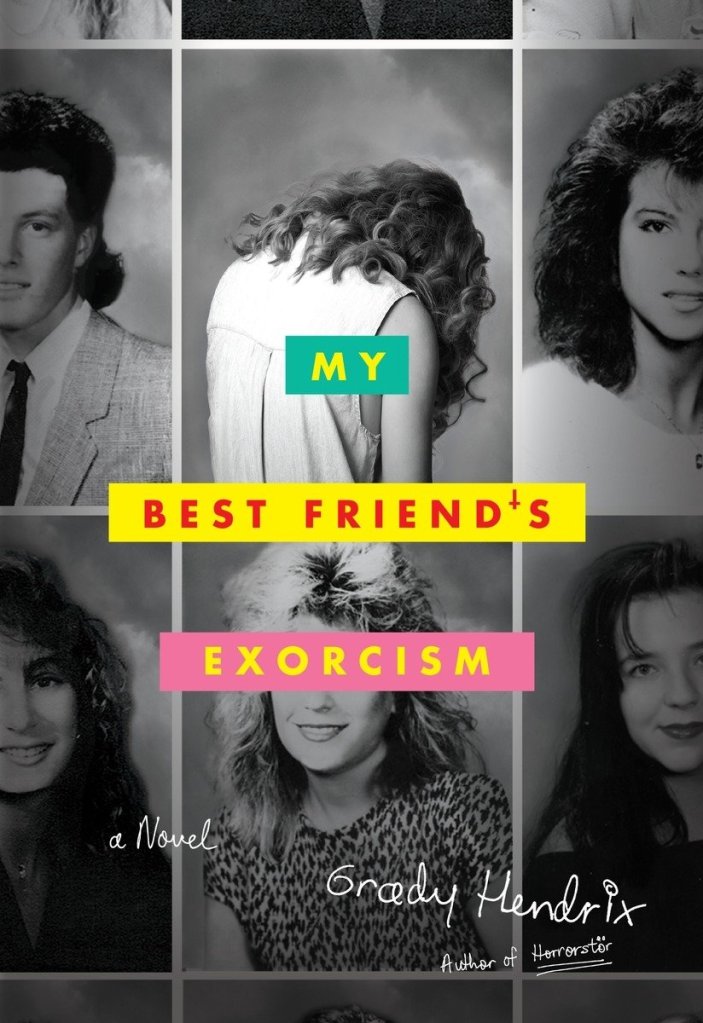
Abby and Gretchen have been besties since the day that Gretchen, a new kid in school, turns up to Abby’s tenth birthday party. She’d invited the whole class to the roller rink for an E.T. themed party (it’s the 80s), but Gretchen is the only one who shows up. All the others accepted an invitation to Margaret’s polo plantation (the novel takes place in South Carolina, where apparently there are such things) for a day of horse-back riding. When Abby asks Margaret why she didn’t go to that party, Gretchen replies “You invited me first.” It is from this awkward beginning that the two girls become best friends.
My best friend story has a similar beginning. When Michelle arrived at the country school I attended at the beginning of grade eight, I didn’t like her. And she didn’t like me. At least that’s how I remember it. Her hair was too blonde, her jeans were too tight and she hung out with the older kids. I was about as geeky as they came. We both imagined being writers and I remember that the Prize for English was a hot commodity; I won. Then in grade nine, more than half of the students in our class went on an exchange to Marathon, Ontario. Neither of us went, and that meant that we were without our usual friend groups. One afternoon, we found ourselves talking at the back of a classroom. Turns out, we had way more in common than not and that afternoon cemented a friendship that is now 50 years strong.
Abby and Gretchen have the best friend short-hand. They bond over movies and music. They trade secrets and commiserate about their families; “Everything happened over the next six years. Nothing happened over the next six years.” When Abby’s home life starts to crumble, Gretchen’s family is there to pick up the pieces.
And then. Abby, Gretchen, Margaret (same one, now a friend) and Glee are in high school and one afternoon, they decide to take acid. Just to try it out, not because they’re druggies. It’s 1988. The incident kicks off a descent into a hellscape that causes friendships to fracture. Gretchen disappears that night, and when Abby finds her the next morning she can’t remember anything about her night lost in the woods.
Things take a decided turn for the worst over the coming weeks, and the beauty of this novel (and there are many of them) is that I couldn’t decide whether Gretchen’s possession was literal or just a function of being a high school sophomore. People change, right, especially at this point in their lives. They’re always trying on new personas, shedding one skin to try out another. Abby never gives up on her friend, even when Gretchen behaves horribly; even when her own sanity and safety are threatened.
The nostalgia is a river running through Hendrix’s book: the chapters titled after popular songs, the allusions to the TV shows and pop culture of the era. The book is packaged like a high school yearbook. And I was sent hurtling back to my high school days, when friendships are the most important things in your life. About fifty pages in, I couldn’t put the book down.
And for the record, I would fight the devil for you, too, Michelle.
Highly recommended.

 And then there’s The Roanoke Girlsby Amy Engel. Can’t remember when I bought it or how long it’s been languishing on my tbr shelf, but I started reading it and finished reading it in just a few hours because it has ALL THE THINGS I love in a book. (Lots of other reviewers loved all the things, too, because this book received lots of well-
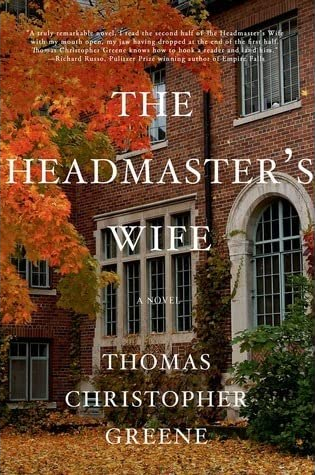 novel
novel 

 coastal town in Northern England. The siblings, now in their 50s, have never been especially close, but now that both their parents have died, they have to rely on each other and their relationship is a sort of co-dependent nightmare. There is something very odd going on in their house, a house filled with the bric-a-brac of a childhood spent in some luxury (the Zetlands owned a textile mill), and now the domain of a couple hoarders.
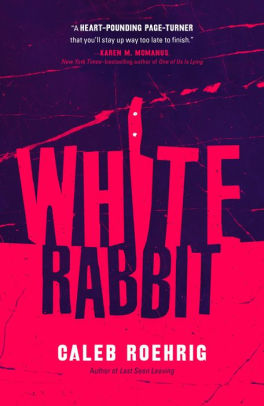 Rufus Holt is having a really fucking bad day. I use the expletive because, well, there’s a lot of F-bombs in Caleb Roehrig’s YA mystery White Rabbit. I’m not a prude by any stretch, but I have to admit that by the end of the novel I was getting a little tired of all the swearing. Surely teenagers as smart as the ones who populate Roehrig’s world would have the vocabularies to match.
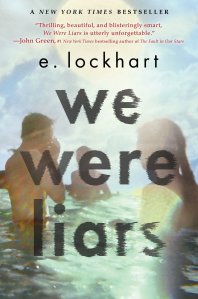 Cadence Sinclair, the narrator of E. Lockhart’s riveting YA novel We Were Liars, lives a seemingly charmed life. The eldest of the Sinclair grandchildren, she summers with her cousins Johnny, Mirren, Liberty, Bonnie, Will and Taft on Beechwood Island, a private island off the coast of Massachusetts, somewhere near Martha’s Vineyard. Her grandparents, Harris and Tipper, have a created a sort of kingdom on Beechwood. Each of their three daughters has their own house on the island, but everything revolves around the patriarch. There is a lot of drinking and in-fighting, all of it held together by Tipper. When she dies, the daughters and their children, who are used as pawns to secure Harris’s favour, go a little off the rails.
 thriller
  The Ludic Reader